


Eucerin conducts animal testing only when legally mandated, such as in markets like China, to adhere to local regulatory requirements. Despite the EU’s ban on animal testing for cosmetics, this compliance shifts Eucerin away from being cruelty-free. The lack of third-party cruelty-free certification and the use of animal-derived ingredients further complicate its ethical standing. Eucerin invests in alternative testing methods, collaborating with organizations like TissUse and the EPAA, yet these initiatives don’t fully align with cruelty-free standards. If you want to explore the complexities around Eucerin’s testing practices and ethical stance, there’s more information available.
key Takeaways
- Eucerin tests on animals only when legally required, such as in China.
- The company complies with EU regulations that prohibit animal testing for cosmetics.
- Eucerin lacks cruelty-free certification from third-party organizations.
- Animal testing policies of Eucerin’s parent company, Beiersdorf, impact its cruelty-free status.
- Eucerin collaborates on alternative testing methods but still performs animal testing where mandated.
Eucerin’s Animal Testing Policy
Eucerin’s animal testing policy is a nuanced issue that requires careful consideration. As a consumer, you should understand that Eucerin, under the auspices of its parent company Beiersdorf, doesn’t engage in animal testing unless it’s required by law in certain markets. This stipulation greatly impacts Eucerin’s cruelty-free status, particularly in regions like China, where animal testing is legally mandated for product safety registration. This means that while Eucerin might endeavor to minimize animal testing, their compliance with local legal requirements can involve such practices. Eucerin’s lack of certification from third-party cruelty-free organizations further complicates the brand’s ethical standing. Certification often serves as a benchmark for transparency and commitment to cruelty-free standards. Without this certification, you might find it challenging to ascertain the full scope of Eucerin’s adherence to cruelty-free principles. However, Eucerin emphasizes consumer safety, aligning their practices with regulatory demands while exploring alternative methods to animal testing. Transparency remains pivotal in understanding Eucerin’s position. By acknowledging the legal framework and potential testing requirements, Eucerin provides a clearer picture of how it navigates the complex landscape of animal testing in global markets. Despite challenges with heavy glass jar packaging, some consumers look for alternatives that align with ethical practices.
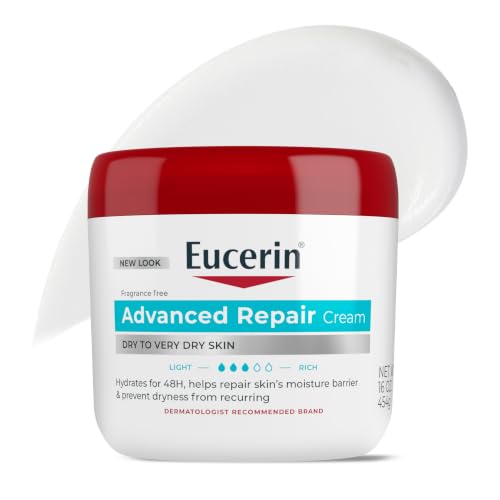
48-HOURS OF HYDRATON: This body cream hydrates very dry skin, helps maintain its moisture balance and provides 48 hours of hydration

HYDRATION FOR ROUGH, BUMPY SKIN: Very dry skin lotion formula intensely hydrates to prevent dryness and provides 72 hours of hydration

2-IN-1 BODY LOTION SUNSCREEN: This sunscreen body cream offers a 2-in-1 formula that moisturizes dry skin while helping protect from sun exposure
Legal Requirements and Compliance
Compliance with international legal frameworks is essential for cosmetic companies like Eucerin to maintain market presence and consumer trust. Eucerin fully adheres to EU regulations, which have prohibited animal testing for cosmetic products since 2004 and for cosmetic ingredients since 2013. This compliance guarantees that any product sold within the European Union is free from animal testing.
Globally, Eucerin and its parent company, Beiersdorf, are committed to legal requirements, engaging in animal testing only when mandated by specific jurisdictions. Despite the EU’s stringent stance against animal testing, certain markets, particularly China, necessitate such practices for product registration. In these cases, Eucerin complies with local laws while working to minimize animal testing worldwide. The brand advocates for alternative testing methods, aiming to influence regulatory bodies in regions with mandatory animal testing to shift towards more humane practices. Using cruelty-free products can help promote ethical standards, as seen in brands like Beauty Without Cruelty.
Eucerin’s commitment to ethical standards and compliance with legal requirements highlights its dedication to advancing the cosmetic industry towards cruelty-free solutions.
Alternatives to Animal Testing
While adhering to international legal requirements and reducing animal testing, the focus now shifts to innovative alternatives that guarantee consumer safety. Eucerin, under Beiersdorf’s stewardship, has prioritized the development of alternative testing methods for nearly 40 years, assuring products remain cruelty-free.
Beiersdorf’s collaboration with TissUse since 2014 exemplifies this commitment. By employing in vitro methods to simulate skin and liver interactions, they effectively minimize reliance on animal testing, aligning with international acceptance standards. Some users with sensitive skin reported no irritation when using Eucerin’s products, which speaks to their effectiveness and safety.
Active participation in expert panels and associations highlights Beiersdorf’s advocacy for alternative testing methods. Significant investments have been made in validating these methodologies, gaining recognition from regulatory authorities worldwide.
By working alongside organizations such as the OECD, Eucerin is at the forefront of accelerating the research and acceptance of these methods within the cosmetics industry.
This strategic approach not only underscores a commitment to consumer safety but also aligns with ethical considerations in product development.
With a focus on evidence-based practices and international collaboration, Eucerin actively contributes to the evolution of testing paradigms. This assures that high safety standards are maintained without compromising ethical standards, setting a benchmark for the industry.

LIGHTWEIGHT, NON-GREASY HYDRATION: Daily face lotion that hydrates and smooths without heaviness or a greasy feel.
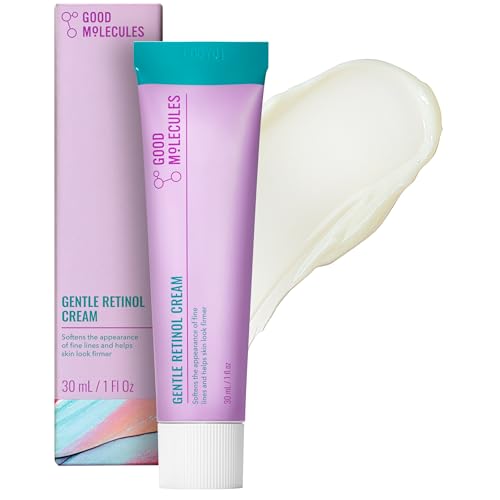
SOFTEN THE LOOK OF FINE LINES: Gentle retinol cream that softens the appearance of fine lines and helps skin look firmer.

A COMPLETE HYDRATION REGIMEN: This skincare kit has all of your favorite Holy Hydration necessities- a Holy Hydration. Daily Cleanser, Holy Hydration. Makeup Melting Cleansing Balm, Hydrating Booster Drops, Holy Hydration. Face Cream and Eye Cream.
Ethical Stance and Practices
Frequently, ethical considerations in dermatological product testing revolve around the use of animal models. Eucerin’s stance, influenced by its parent company Beiersdorf, allows for animal testing when legally required. This decision aligns with specific laws, such as those in China, where animal testing is mandatory. Although Eucerin claims to limit such practices to legal obligations, this approach distances the brand from cruelty-free standards. Eucerin isn’t certified by any cruelty-free organizations like PETA or Leaping Bunny, which scrutinize ethical practices and testing methods. The absence of certification raises questions about their commitment to cruelty-free principles. Ethical consumers often seek alternatives, as Eucerin’s policies don’t meet the criteria required for cruelty-free designation. Beiersdorf’s involvement in animal testing further complicates Eucerin’s ethical positioning. Despite the existence of innovative alternatives to animal testing, Eucerin hasn’t fully embraced these methods in all markets. Eucerin’s approach contrasts with brands like CeraVe, which offer products such as the Acne Foaming Cleanser that are non-comedogenic and suitable for sensitive skin. Ethical practices in dermatology should consider the welfare of animal models, and Eucerin’s current policies indicate a need for reevaluation. For consumers prioritizing ethical products, understanding these dynamics is vital. Choosing cruelty-free brands certified by reputable organizations guarantees alignment with personal ethical standards.
Certification and Ownership
Ethical concerns surrounding Eucerin’s testing practices naturally extend to its certifications and ownership. As a consumer, you should be aware that Eucerin lacks certification from reputable cruelty-free organizations like Leaping Bunny or PETA. This absence raises questions about the brand’s commitment to ethical standards, particularly in the context of animal testing.
The parent company, Beiersdorf, isn’t considered cruelty-free either, as it conducts animal testing when legally mandated, such as in countries like China. This means that despite Eucerin’s global presence, they adhere to legal mandates requiring animal testing in specific markets, complicating their cruelty-free claims.
Transparency is a significant component when evaluating a brand’s ethical footprint. Eucerin’s policies regarding animal testing aren’t fully transparent, especially since they permit testing where required by law.
In addition, there’s no certification to indicate that Eucerin products are devoid of animal-derived ingredients, which might be essential for ethically-minded consumers. While Eucerin hasn’t claimed to be vegan-friendly, this lack of certification can deter those seeking cruelty-free options.
Consequently, if you prioritize cruelty-free products, Eucerin’s current certification status and ownership by Beiersdorf may influence your purchasing decisions. Humble Brands, a vegan and cruelty-free alternative, is Leaping Bunny Certified and offers ethical options for consumers.
Vegan Status of Eucerin
Eucerin’s vegan status is undeniably compromised due to the inclusion of animal-derived ingredients like lanolin and beeswax in some of its formulations. These components are central in several Eucerin products, which inherently conflicts with vegan standards. Vegan standards necessitate the exclusion of both animal-derived ingredients and animal testing, criteria that Eucerin clearly does not meet due to its global engagement in animal testing practices. While Eucerin might appeal to some for its dermatological efficacy, it doesn’t align with cruelty-free or vegan lifestyles. The absence of vegan certification further highlights this misalignment. If you’re seeking vegan alternatives, it’s essential to choose brands that adhere strictly to vegan and cruelty-free principles. These brands guarantee their offerings are entirely free from animal-derived ingredients and don’t participate in animal testing worldwide. Notably, brands like SAPPHO New Paradigm demonstrate a strong commitment to vegan and cruelty-free practices by using ethically sourced ingredients and eco-friendly packaging.
| Criteria | Eucerin Status | Vegan Standards |
|---|---|---|
| Animal-derived Ingredients | Present | Absent |
| Animal Testing | Conducted worldwide | Not conducted |
| Certification | Not certified | Certified vegan |

RICH RECOVERY CREAM: Supercharge your nighttime routine while your skin is in rest mode with this rich cream formulated to help quench the thirstiest skin. Designed to revive & hydrate skin, this moisturizer ensures you wake up with a healthy complexion.

REINFORCES SKIN’S MOISTURE BARRIER – Give compromised skin the support it needs. This daily face cream is packed with vegan ceramides (plant-derived lipids) that mimic your skin’s natural barrier to seal in moisture and block irritants. It actively repairs and strengthens a weakened barrier, alleviating dryness, flakiness, and sensitivity. The result is skin that feels stronger, healthier and more resilient against damage.

DAILY FACIAL MOISTURIZER: This moisturizing face cream delivers a powerful boost of hydration to nourish and plump skin for a firmed-up, bouncy complexion with a luminous finish that lasts all-day and feels soft.
Collaborations and Partnerships
A robust network of collaborations and partnerships underscores the commitment of Eucerin to advancing alternative testing methodologies in the dermatological and cosmetic fields.
As part of Beiersdorf, Eucerin engages with over 50 global partners and interest groups, driving the innovation of cruelty-free testing practices. Since 2006, Eucerin has been a founding member of the European Partnership for Alternative Approaches to Animal Testing (EPAA), steadfastly advocating for non-animal testing. This collaboration signifies a crucial role in influencing policies and practices towards validation of alternative methods.
Eucerin’s strategic partnerships extend to significant entities like TissUse, with whom they’ve collaborated since 2014. This partnership focuses on developing in vitro models that replicate skin and liver interactions, pushing the envelope in research for non-animal testing methods.
In addition, Eucerin actively contributes to expert panels and associations such as Cosmetics Europe and the European Centre for Validation of Alternative Methods. These collaborations guarantee that Eucerin remains at the forefront of scientific advancements.
Through its association with the OECD, Eucerin provides essential scientific insights, promoting international acceptance and validation of alternative testing methods.
The importance of ethical living and sustainable practices is echoed in Eucerin’s efforts to innovate in cruelty-free testing, aligning with broader trends in consumer preferences and regulatory standards.
This extensive collaboration network reinforces Eucerin’s commitment to cruelty-free practices and innovation in dermatological testing.
Innovations in Testing Approaches
Innovation in testing approaches at Eucerin has revolutionized the landscape of dermatological safety assessments. A cornerstone of this innovation is the 3T3-Neutral Red Uptake Phototoxicity Test, developed by Beiersdorf in 1992. This alternative testing method became a pivotal advancement, gaining acceptance in 2000 by the EU and 2004 by the OECD. It standardized the evaluation of phototoxicity, essential for guaranteeing consumer safety when products are exposed to UV light. By adopting such methodologies, Eucerin underscores its commitment to reducing reliance on animal testing while maintaining rigorous safety standards. Eucerin’s dedication to innovation continues with its recognition in China for pioneering in-vitro test methods, setting a precedent in markets traditionally dependent on animal testing. This achievement aligns with the brand’s strategy of expanding alternative testing methodologies, further bolstered by collaborations with over 50 global partners. These partnerships, including those with OECD and industry associations, facilitate the acceleration of developing and validating non-animal testing methods. Through these efforts, Eucerin not only guarantees consumer safety but also leads the charge in ethical testing practices, reflecting a profound commitment to innovation and collaboration in dermatological safety assessments. The CeraVe Baby Lotion is an example of a product designed for sensitive skin, developed with a focus on gentle, hypoallergenic formulation.

REEF SAFE SUNSCREEN 23.5% NON-NANO ZINC OXIDE - Minimal white cast, rubs in easy, faster absorption and less greasy compared to traditional mineral SPF 50 sunblocks. The reef-friendly formula is formulated without Oxybenzone or Octinoxate to help protect fragile reef ecosystems. 80 min sweat & water resistant is perfect for any outdoor adventure.

WATER & SWEAT RESISTANT: No more burning eyes. Sweat it out hiking, running, biking; this sports sunscreen won't run into your eyes. Water-resistant up to 80 minutes.

NON TOXIC SPF 50 PROTECTION: Non-nano zinc oxide provides instant mineral defense against harmful UVA & UVB rays, keeping your skin safe every day.
Cruelty-Free Alternatives
When considering cruelty-free skincare options, how can consumers guarantee their choices align with ethical standards? By selecting dermatological products from brands committed to eliminating animal testing, you confirm your consumer choices support ethical skincare.
Skinfix offers a range of cruelty-free and vegan-friendly products, positioning itself as a suitable alternative for those concerned about animal welfare. Their commitment to vegan-friendly formulations guarantees products without animal testing.
Derma E is known for ethical skincare, with a strong emphasis on vegan-friendly products that avoid animal testing. This brand’s commitment to alternative test methods makes it a reliable choice for ethical consumers.
Similarly, Paula’s Choice, part of Unilever, maintains a strict cruelty-free policy, appealing to those prioritizing ethical standards in their beauty regimen.
REN, another Unilever brand, aligns with cruelty-free standards, guaranteeing their products don’t involve animal testing. Their dedication to ethical practices provides peace of mind for conscious consumers.
Finally, Vanicream offers dermatological products catering to sensitive skin without resorting to animal testing. Their focus on providing products without animal testing highlights their brand commitment to ethical skincare.
For those seeking mascara options, MILK Makeup KUSH Mascara is a viable choice as it is vegan, clean, and cruelty-free, ensuring fuller, healthier lashes without compromising on ethical standards.

ULTRA-HYDRATING FACE TONER MIST: Pacifica Happy Water Skin Toner instantly hydrates, refreshes, and balances your skin with lightweight moisture. Infused with vegan ceramides, electrolytes, and hyaluronic acid, it helps replenish moisture and maintain a healthy skin barrier, leaving skin soft, calm, and refreshed.

DAILY FACIAL MOISTURIZER: This moisturizing face cream delivers a powerful boost of hydration to nourish and plump skin for a firmed-up, bouncy complexion with a luminous finish that lasts all-day and feels soft.

Lightweight daily lotion helps restore your skin's protective barrier while hydrating and soothing