


When you consider the hidden costs of cosmetic testing, you’re examining ethical dilemmas and consumer impact. Animal testing, with about 500,000 animals affected annually, raises significant moral concerns and inconsistent global regulations, like the EU’s ban versus China’s mandates. These disparities complicate industry compliance and heighten the pressure for humane alternatives such as in vitro testing and computer modeling. Tested animals, often subjected to severe treatments, face routine euthanasia, posing a profound ethical challenge. Consumers are driving change by demanding cruelty-free products, pressing companies towards ethical practices. Your journey through this topic reveals much more beneath the surface.
key Takeaways
- Animal testing involves significant ethical concerns, with routine euthanasia and limited rehoming opportunities for tested animals.
- Inconsistent international regulations complicate compliance, with disparities like the EU’s ban versus China’s mandate on animal testing.
- The financial and ethical costs of animal testing are driving investment in humane alternatives like in vitro testing and computer modeling.
- Consumer demand for cruelty-free products pressures companies to adopt compassionate practices and influences industry standards.
- Advocacy groups and regulatory pressures are pushing for laws mandating humane testing practices, reflecting a shift towards ethical standards.
Safety Testing and Regulations
Ensuring the safety of cosmetic products often involves complex testing procedures, with animal testing historically playing a pivotal role.
You face regulatory challenges that demand strict adherence to safety standards. In some countries, regulations require animal testing to confirm non-toxicity before products hit the market. These standards aim to protect consumers from potential harm, providing essential data on systemic toxicity and allergic reactions.
However, the landscape is evolving. Objective analysis reveals advancements in alternative methods, such as in vitro testing, which promise to reduce reliance on animals.
Through in-depth interviews with regulatory experts, you learn that while some nations have banned animal testing, others still mandate it, highlighting the urgent need for unified global safety standards in cosmetics. Additionally, the book “How to Be Vegan” discusses vegan cleaning products as part of a broader conversation about making conscious and ethical lifestyle choices, which may also relate to cosmetic alternatives.
Global Testing Disparities
A significant aspect of the global cosmetic industry involves maneuvering the complex web of testing disparities. You might notice that international standards for cosmetic testing aren’t consistent, creating a patchwork of regulations worldwide. While the European Union has banned animal testing, other regions like China still require it for certain products. This inconsistency complicates efforts towards testing harmonization and leaves companies grappling with varying legal requirements. Hypoallergenic formulation is an example of how products are designed to meet diverse consumer needs, ensuring safety for sensitive skin. Through objective analysis and in-depth interviews, you can see how these disparities influence global market strategies. Brands often tailor their testing methods to meet the strictest regulations, leading to increased costs and ethical dilemmas. Understanding these challenges emphasizes the urgent need for unified global standards, ensuring safety without unnecessary harm to animals.
Alternatives to Animal Testing
Maneuvering the intricate landscape of global testing disparities reveals a pressing question: How can the industry achieve safety standards without relying on animal testing?
Advances in in vitro testing and computer modeling offer promising solutions. In vitro testing uses human cells and tissues to assess potential toxicity, offering a more accurate reflection of human responses than animal models.
Computer modeling, or in silico testing, simulates biological processes, predicting outcomes based on existing data. Experts suggest these methods aren’t only humane but also cost-effective and efficient.
There is a growing trend towards vegan and cruelty-free products in the skincare industry, which further emphasizes the need for alternative testing methods.
Interviews with industry leaders reveal a growing interest in these alternatives, as they align with ethical standards and regulatory shifts. Embracing these technologies could redefine safety testing, reducing reliance on traditional animal-based methods.

SKINCARE ON THE GO: The e.l.f. Jet Set Hydration Kit contains all of your skincare favourites in a TSA-ready travel-sized kit. The kit includes a Cleanser (30ml), Hydrating Balm (6g), Moisturizer (25ml), Eye Cream (7g) and Night Cream (15g).

THE 3-STEP DAILY ROUTINE FOR MEN - Get ready to seize the day with a skincare essentials kit that’s designed for men of all skin types and tones. The set includes 3 full size products: Daily Face Wash, Herbal Spray Toner, and Face Moisturizer.

WHAT IT IS: This travel size duo includes our best-selling hydration serum and ceramide-rich moisturizer, paired together to hydrate, restore, and support the skin barrier for smooth, healthy-looking skin.
Commonly Tested Animals
When it comes to cosmetic testing, a significant number of animals, including rabbits, guinea pigs, mice, and rats, bear the brunt of scientific scrutiny. These creatures are often subjected to procedures that raise serious questions about animal welfare and testing ethics. Rabbits undergo eye and skin irritation tests, while guinea pigs face skin sensitization assessments. Mice and rats, chosen for their biological similarities to humans, participate in a variety of toxicity tests. Despite advancements in alternative methods, around 500,000 animals are still tested annually worldwide. Interviews with experts highlight the ongoing ethical dilemma and the suffering inflicted upon these animals. It’s essential to balance scientific needs with compassionate practices, addressing both regulatory requirements and humane treatment. Some brands, such as Humble Brands, have committed to cruelty-free practices, offering vegan and Leaping Bunny Certified products that appeal to consumers seeking ethical alternatives.
Types of Substances Assessed
The substances tested in cosmetic research span a wide range of applications, each with its own set of safety considerations. You’re likely familiar with the role of chemicals in cosmetics, from preservatives to fragrances and dyes. Ensuring chemical safety is essential, given their potential impact on your health. In-depth interviews with experts reveal that consumer awareness is key to understanding the risks associated with these substances. When testing cosmetics, researchers assess potential skin and eye irritation, acute toxicity, and long-term exposure effects. Each test aims to mitigate risks, ensuring products are safe for you to use. As a consumer, being informed about the types of substances involved helps you make educated decisions about the products you choose. For instance, products like the pH-D Boric Acid Body Fresh Spray contain natural peptide and amino acid derivatives, which contribute to neutralizing odors effectively without masking them.
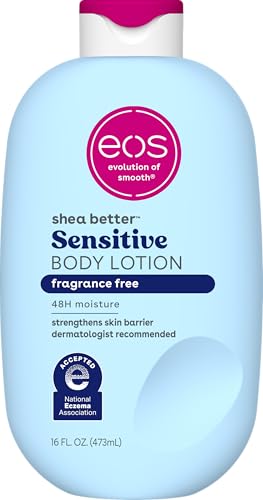
48-HOUR DEEP HYDRATION: This fragrance free lotion delivers long-lasting moisture to intensely hydrate dry skin, leaving your whole body feeling soft, comfortable, and deeply replenished.
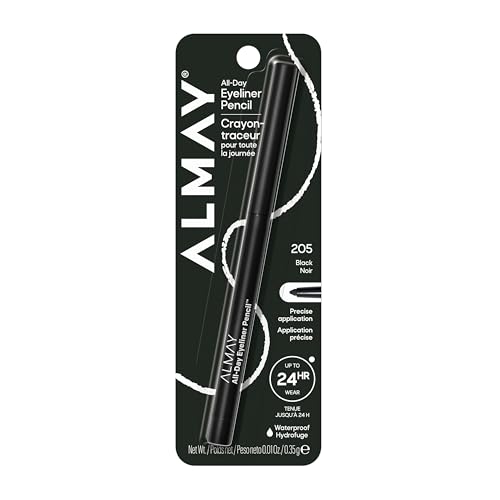
Define your eyes with beautiful color that lasts up to 16 hours

Tough on makeup, gentle on skin: Hypoallergenic makeup remover wipes gently remove up to 99% of dirt, including waterproof mascara, and lift away oil and impurities
Cosmetic Testing Methods
Cosmetic testing methods have long been a subject of ethical scrutiny and scientific analysis. You’ve likely encountered ongoing debates about the traditional reliance on animal testing, which raises significant ethical implications. With advancements in technology, in vitro methods have emerged as viable alternatives, offering a more humane approach. These methods use cell cultures to assess the safety of cosmetics without involving animals, aligning with evolving ethical standards. Through thorough research and in-depth interviews with experts, it’s clear there’s a shift towards these alternative testing methods. This change not only addresses ethical concerns but also enhances scientific accuracy and efficiency. Products like the CeraVe Hydrating Facial Cleanser exemplify this commitment to ethical practices, as they are certified by the National Eczema Association and free of parabens. As a result, in vitro methods are becoming increasingly important in the cosmetic industry, reflecting a commitment to more ethical practices.

Foaming face wash: Aveeno Daily Foaming Gel Facial Cleanser removes excess oil without disrupting the skin's moisture barrier; does not leave skin feeling stripped; for normal to oily or sensitive skin; 12 fl oz

Hydrating Facial Cleanser: This facial cleanser leaves skin feeling clean, soft and cushioned and supports a smoother, more hydrated facial skin texture. This face wash for dry skin hydrates while cleansing to avoid disrupting the skin barrier

REMOVE MAKEUP & IMPURITIES FOR CLEAR SKIN – Dissolve makeup, oil, sunscreen, and impurities without stripping moisture. This deep pore cleansing face wash uses a gentle sulfate-free foam to purge dirt and unclog blackheads, helping prevent blemishes. Enjoy a truly clean feel and clear, balanced complexion after each wash – no tightness or dryness, just fresh, healthy skin!
Ethical Concerns in Testing
Uncover the layers of ethical concerns surrounding cosmetic testing, and you’ll find a complex tapestry woven with moral dilemmas and scientific challenges. Animal ethics emerge as a contentious issue, focusing on the moral implications of subjecting living creatures to potentially painful tests. Through thorough research and in-depth interviews, it’s evident that these practices raise questions about our responsibility towards animals. Objective analysis reveals a divide between scientific necessity and ethical responsibility. Many argue for the pursuit of alternatives that respect animal welfare while ensuring product safety. The Vegan Cruelty Free movement underscores the importance of respecting animal welfare, advocating for a lifestyle that aligns with a cruelty-free ethos. The challenge lies in balancing these competing interests, as the debate intensifies. You must consider the moral implications of testing methods and how society can reconcile scientific progress with humane treatment of animals.
Aftermath for Tested Animals
When you explore the aftermath for animals used in cosmetic testing, you uncover a scene marked by both routine euthanasia and, less frequently, opportunities for rehoming.
Many animals, having endured testing impact, face euthanasia to prevent further suffering, which raises profound animal welfare concerns. Interviews with animal welfare advocates reveal that the health issues resulting from testing often make rehoming an uncommon outcome, particularly for larger animals.
Despite these challenges, some organizations endeavor to rehome test survivors, prioritizing their rehabilitation.
Objective analysis highlights that the testing impact extends beyond the laboratory, affecting countless lives.
The ethical implications of post-test outcomes continue to spark debate, urging you to reflect on the broader consequences for animal welfare in the cosmetic industry’s practices.
Euthanasia and Reuse Practices
In delving into the practices of euthanasia and reuse in cosmetic testing, you’ll find that many animals, after enduring a battery of tests, are often euthanized to prevent further suffering and to facilitate the examination of their organs.
The euthanasia implications raise serious animal welfare concerns, as interviews with experts reveal the emotional and ethical burden associated with these practices.
While some animals are reused in less invasive tests, this prolongs their exposure to potentially harmful procedures. Research shows limited rehoming opportunities, intensifying the moral debate.
The reuse practices, while minimizing the number of animals needed, don’t always align with welfare standards. Consequently, the balance between scientific necessity and ethical responsibility remains a contentious issue within the industry.
Consumer Influence on Industry
While the ethical concerns of euthanasia and reuse practices linger, consumers hold significant power to drive change within the cosmetic industry. Your purchasing decisions can directly influence industry standards, as companies respond to consumer behavior by shifting towards cruelty-free products.
Research shows that when you demand ethically-produced goods, businesses are more inclined to adopt alternative testing methods. Interviews with industry experts reveal that consumer pressure has already led to increased investment in in vitro testing and other humane practices.
The Vegan Beauty Award 2022 Peta Germany for Best Eye Look highlights the growing recognition and acceptance of cruelty-free products in the market.
Objective analysis indicates that staying informed and choosing products that align with your values can catalyze broader industry transformations. By prioritizing cruelty-free brands, you’re not only affecting market trends but also encouraging a shift towards more compassionate and sustainable practices.
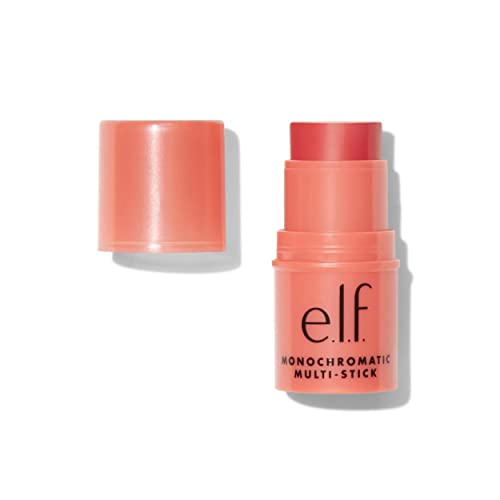
VIBRANT, BLENDABLE COLOR: The e.l.f. Monochromatic Multi Stick is a cream-to-powder, wear-everywhere stick that delivers a highly blendable kiss of color.
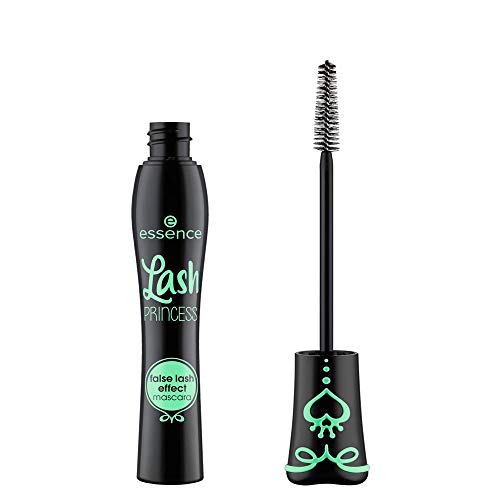
If you receive this mascara UNWRAPPED, it did not come from essence cosmetics.

MOISTURIZING LIP BALM: Meet e.l.f. Cosmetics Squeeze Me Lip Balm, your new favorite lip product for hydrated and nourished lips.
Advocacy for Humane Practices
Advocacy for humane practices is reshaping the landscape of cosmetic testing.
You’ve likely heard about the growing movement emphasizing humane advocacy and ethical standards. Research reveals a shift as more companies consider animal welfare in their protocols.
Through objective analysis, it’s clear that this change is driven by both consumer demand and regulatory pressures. Interviews with industry leaders highlight a commitment to reducing animal suffering by adopting alternative testing methods.
Humane advocacy groups are pivotal, pushing for laws that mandate ethical standards in cosmetic testing. Their efforts are resulting in tangible progress.
As seen with products like CoverGirl Lash Blast Clean Volume Mascara, many companies are making strides in creating vegan and cruelty-free formulas.
As this momentum builds, you play a significant role by supporting brands that prioritize cruelty-free practices, thereby encouraging the entire industry to adopt more ethical approaches.

MASCARA FOR MAXIMUM CURL: Get maximum curl and unbeatable lift—no lash curler necessary. This ultimate curling mascara gives you your most lifted lashes ever.

LASH WITHOUT LIMITS: Get ready to take your lashes to new heights with essence Lash Without Limits Extreme Lengthening & Volume Mascara. Experience lashes that defy gravity with extra length and incredible volume!

Nourishing Formula: We added Castor Oil to our mascara formula, so that it does more than make you look fabulous. This nutrient-dense ingredient is rich with omega-6 fatty acids and essential proteins that help to boost and strengthen your lashes
Education and Awareness Efforts
As the momentum for humane practices in cosmetic testing gains traction, education and awareness efforts become key drivers in this transformative journey. You play an essential role in these efforts, helping to cultivate a more informed public.
Through thorough research, objective analysis, and in-depth interviews, educational campaigns and awareness initiatives are designed to empower you and others.
Consider these key elements:
Educational Campaigns: Inform others about the realities of animal testing and alternatives.
Awareness Initiatives: Highlight cruelty-free brands and products.
Access to Information: Provide resources that detail the impact of cosmetic testing on animals.
Community Engagement: Encourage discussion and action through local and online platforms.
Additionally, Lip Ink products offer a cruelty-free and vegan option for those seeking ethical makeup alternatives.