


You’re curious about whether Vaseline is cruelty-free, and it’s a nuanced topic. Although Unilever, Vaseline’s parent company, claims it hasn’t conducted animal testing since 2018, the brand still lacks official cruelty-free certification. This is largely due to selling in markets, like China, where animal testing is legally required. Additionally, there’s uncertainty because of missing a transparent animal testing policy and the potential for ingredient suppliers conducting tests. These practices complicate trust and perception. If you’re interested in understanding the broader ethical considerations and potential alternatives, there’s much more to explore.
key Takeaways
- Vaseline, owned by Unilever, lacks certification from recognized cruelty-free organizations like PETA or Leaping Bunny.
- Unilever claims no animal testing for Vaseline since 2018, but allows testing when legally required.
- Vaseline’s absence of a clear animal testing policy on the website leads to consumer skepticism.
- Selling in markets with mandatory animal testing complicates Vaseline’s cruelty-free status.
- Ingredient suppliers may conduct animal tests for regulatory compliance, affecting Vaseline’s cruelty-free perception.
Understanding Cruelty-Free Status
When you’re trying to determine if a brand like Vaseline is cruelty-free, it’s vital to explore what the term truly means. In the beauty industry, a cruelty-free status indicates that a product and its ingredients haven’t been tested on animals.
Vaseline, owned by Unilever, presents a complex case. Although Unilever claims it hasn’t tested Vaseline products on animals since 2018, the brand isn’t certified by organizations like PETA or Leaping Bunny. Certification is a key factor, as it provides transparency and assurance regarding ethical practices.
Unilever’s policy allows animal testing when required by law, such as in markets like China, which complicates Vaseline’s cruelty-free status. True cruelty-free brands avoid selling in regions where animal testing is mandated, highlighting the importance of ethical practices and transparency.
For consumers seeking vegan or cruelty-free products, understanding these nuances is essential. You’re encouraged to research and question a brand’s animal testing policies. Transparency in this area can guide informed purchasing decisions, reflecting your values in the beauty industry.
While Vaseline may not meet the criteria for being cruelty-free, knowing what to look for helps you make ethical choices. In the context of ethical living, conscious choices about animal-based products are crucial for aligning your purchasing decisions with your values.
Vaseline’s Animal Testing Policy
As you explore Vaseline’s animal testing policy, the complexity of the brand’s stance becomes evident. Owned by Unilever, Vaseline isn’t certified as cruelty-free. While Unilever states that Vaseline products haven’t undergone animal testing since 2018, the policy still allows for testing when required by law, especially in countries like China. This regulatory compliance complicates Vaseline’s cruelty-free status.
The absence of an official animal testing policy on Vaseline’s website results in a lack of transparency, leaving consumers uncertain about the specifics of their testing practices. Ingredient suppliers may still conduct tests to meet regulatory requirements, further distancing the brand from a cruelty-free classification.
Historical testing practices prior to 2018 continue to fuel criticism from animal rights activists, influencing how consumers perceive the brand’s ethical stance today. True cruelty-free brands avoid markets with mandatory animal testing, but Vaseline’s compliance with such regulations keeps it outside this category.
This compliance, along with the potential use of animal-derived ingredients, raises questions about Vaseline’s commitment to cruelty-free principles. Consequently, while Unilever claims progress, the lack of clear transparency and adherence to regulatory requirements challenge Vaseline’s cruelty-free claims.
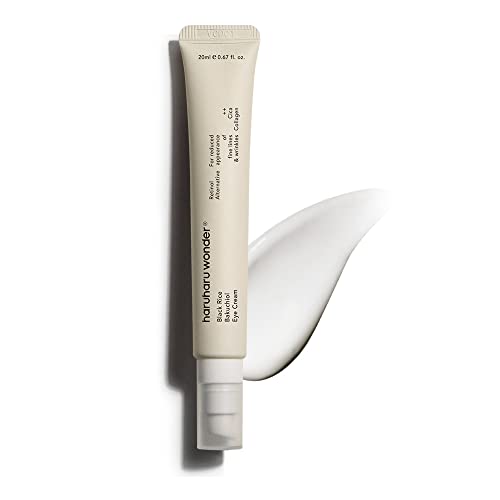
SMOOTH LOOKING EYES START HERE: Powered by bakuchiol, a natural retinol alternative, this cream targets fine lines and wrinkles around the eyes with visible firming results.

RICH RECOVERY CREAM: Supercharge your nighttime routine while your skin is in rest mode with this rich cream formulated to help quench the thirstiest skin. Designed to revive & hydrate skin, this moisturizer ensures you wake up with a healthy complexion.
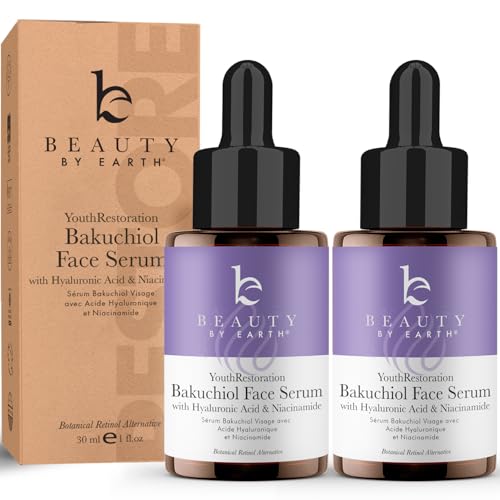
WHAT IS BAKUCHIOL? It's a vegan ingredient from the Psoralea corylifolia plant. It's a potent antioxidant, visibly reduces skin discoloration from environmental exposure, has a soothing effect & can reduce the appearance of fine lines & wrinkles.
Certification and Ethical Practices
Despite consumer demands for ethical practices, Vaseline remains without certification from reputable organizations like PETA or Leaping Bunny, raising valid concerns about its commitment to cruelty-free standards.
The absence of such certification poses questions about Vaseline’s transparency regarding animal testing. While Unilever, Vaseline’s parent company, claims to oppose animal testing, they still permit it when required by law. This contradiction between stated goals and actual practices contributes to skepticism about their ethical practices.
Vaseline hasn’t issued clear, official statements on its website about its stance on animal testing, leaving consumers seeking transparency in the dark.
This lack of information can make it challenging for those committed to ethical consumption to determine if Vaseline aligns with their values. Additionally, the brand’s association with Unilever, which engages in animal testing in specific markets, further complicates its image as a cruelty-free product.

DAILY FACIAL MOISTURIZER: This moisturizing face cream delivers a powerful boost of hydration to nourish and plump skin for a firmed-up, bouncy complexion with a luminous finish that lasts all-day and feels soft.

DAILY FACIAL MOISTURIZER: This moisturizing face cream delivers a powerful boost of hydration to nourish and plump skin for a firmed-up, bouncy complexion with a luminous finish that lasts all-day and feels soft.

Meet the moisture your fam’s skin is missing. Whether you’re massaging into your lil’ bundle of joy’s skin or your own, our naturally-derived Face and Body Lotion hydrates and nourishes thirsty skin, leaving it soft and smooth
Vegan Status of Vaseline
Many consumers are curious about the vegan status of Vaseline, especially given the growing demand for ethical and plant-based products.
It’s essential to recognize that Vaseline isn’t vegan, as some products may contain animal-derived ingredients like beeswax. This lack of vegan certifications from recognized bodies such as Vegan Action or The Vegan Society further highlights the brand’s ambiguity in this area.
Transparency is a major concern for those evaluating the ethical standing of Vaseline, particularly for consumers seeking vegan alternatives. For instance, the Earth Mama Vegan Nipple Butter, a certified vegan product, offers transparency about its ingredients and ethical practices, making it a preferable choice for conscious consumers.
While some Vaseline products might be free from animal-derived ingredients, the absence of clear labeling makes it difficult for consumers to make informed choices.
The cruelty-free status of a product doesn’t necessarily guarantee it’s vegan, adding another layer to the complexity. Vaseline’s practices surrounding animal testing also contribute to a murky ethical standing, further complicating its appeal to ethically-conscious buyers.
For consumers seeking vegan alternatives, exploring certified vegan and cruelty-free brands is a viable option.
These brands often provide the transparency and ethical assurance that Vaseline currently lacks. As the demand for ethical products grows, the need for clear vegan certifications and practices becomes increasingly important.
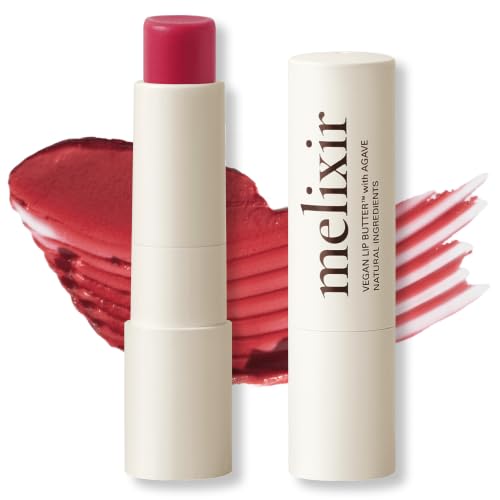
[Moisturizing Daily Lip Care] This silky, non-sticky Vegan Lip Butter glides on smoothly for instant hydration and shine. Compact and travel-friendly, it keeps your lips soft, moisturized, and naturally glowing wherever you go.

NOURISHING CLEANSING BALM: Watch your makeup melt away! It’s solid cleansing balm that melts into a luxurious oil and turns into a nourishing milk texture that rinses off clean.

FLAVORS IN THIS 2-PACK: Vanilla & Peppermint – Flavored Lip Balms that hydrate and refresh your lips naturally, providing relief to chapped lips. Enjoy the soothing and refreshing combination, making this the perfect lip care, Infused with organic lip balm ingredients, this moisturizing lip balm is designed to provide deep hydration and dry lips repair, leaving your lips soft and nourished.
Clean Beauty Considerations
Vaseline’s position in the clean beauty market is questionable due to its lack of transparency concerning potentially harmful ingredients like parabens and phthalates. Despite claims of being hypoallergenic and non-comedogenic, Vaseline doesn’t meet clean beauty standards, which demand rigorous ingredient disclosures and safety assessments. This lack of transparency raises concerns about product safety and the integrity of its formulations.
Clean beauty advocates emphasize transparency in ingredient sourcing, yet Vaseline doesn’t convincingly demonstrate ethical sourcing or ingredient safety. With limited information available on potential risks associated with its ingredients, consumers are left questioning the safety of Vaseline’s products. This uncertainty is a significant issue for those prioritizing clean beauty standards, including transparency and product safety.
Consumers interested in clean beauty are encouraged to research cruelty-free brands that prioritize ethical sourcing and environmental sustainability. Vaseline currently falls short in these areas.
Its use of potentially harmful substances and insufficient ingredient disclosures make it less appealing to consumers seeking safer, more transparent options. By choosing brands committed to these values, you guarantee that your beauty products align with personal values surrounding ingredient safety and ethical practices, areas where Vaseline currently lacks clarity.

3.4 fl. oz Clean & Clear Daily Mattifying Moisturizer helps control shine while providing balanced hydration. Formulated with niacinamide & pro-vitamin B5, it supports smooth, soft, healthy-looking skin.

4-fluid ounces of Clean & Clear Essentials Dual Action Face Moisturizer made with salicylic acid helps treat and prevent pimples while also moisturizing skin, leaving it feeling smooth and soft

This oil-free acne toner with 2% salicylic acid penetrates pores to help clear & remove blackheads while treating existing pimples and preventing new breakouts.
Environmental Sustainability Practices
In recent years, environmental sustainability has become a central concern for many consumers, yet Vaseline’s practices leave much to be desired in this area. Owned by Unilever, Vaseline lacks a strong commitment to reducing its environmental impact.
There’s limited evidence of ethical sourcing for its ingredients, raising questions about the brand’s transparency in this regard. A significant issue is Vaseline’s reliance on plastic packaging, which contributes to environmental pollution and waste.
While Unilever promotes responsible sourcing, specific substantiation for Vaseline products remains elusive, highlighting a transparency gap. This lack of clarity makes it difficult to assess the brand’s true environmental sustainability efforts.
Moreover, Vaseline hasn’t introduced significant initiatives to cut down its carbon footprint. In today’s climate-conscious market, taking action in this area is essential.
The brand’s primary ingredient, petroleum jelly, is a byproduct of oil refining—a non-renewable resource—further complicating its environmental impact. Consumers concerned about sustainability might find this aspect troubling, considering the growing emphasis on renewable resources.
To truly align with sustainable practices, Vaseline would need to enhance its commitment to environmental sustainability through more transparent, ethical sourcing and innovative packaging solutions.
Social Responsibility Efforts
Amid growing concerns about social responsibility, Vaseline has taken steps to address health disparities through significant partnerships. One notable collaboration is with Direct Relief, leading to The Vaseline® Healing Project. This initiative, active for over six years, aims to provide affordable care to underserved communities through nonprofit health centers and clinics. This partnership underscores Vaseline’s commitment to social responsibility by not only addressing health disparities but also supporting community wellness initiatives.
However, when considering Vaseline’s ethical practices, a few complexities arise. Despite its social responsibility efforts, Vaseline isn’t B Corp Certified, a status that would highlight its accountability and commitment to ethical practices.
Curiously, Vaseline’s parent company, Unilever, holds B Corp Certification, reflecting a broader commitment to social and environmental responsibility, yet Vaseline isn’t explicitly included in these commitments.
Here’s a closer look at the nuances:
- Vaseline’s initiatives focus on community wellness but aren’t backed by B Corp Certification.
- Unilever’s certification doesn’t necessarily extend to Vaseline’s specific practices.
- Controversial animal testing and the lack of cruelty-free certification raise ethical concerns about Vaseline, potentially overshadowing its corporate social responsibility efforts.
Alternatives to Vaseline
While Vaseline’s social responsibility efforts showcase its commitment to community wellness, questions about its ethical practices invite exploration of cruelty-free options. If you’re seeking alternatives, consider products like Alba Botanica’s Un-Petroleum Jelly and Live Clean’s Non-Petroleum Jelly. These brands emphasize ethical testing practices, guaranteeing their moisturizers are cruelty-free.
Natural options such as shea butter, coconut oil, and almond oil are effective moisturizers, avoiding the harmful additives often found in petroleum-based products. These plant-based ingredients not only nourish your skin but also align with ethical sourcing and vegan principles. Products like the Bella & Bear Goddess Body Butter are examples of vegan and cruelty-free moisturizers that use natural ingredients to provide effective hydration.
For those interested in a more personalized approach, DIY alternatives are worth exploring. You can create your own moisturizers at home using simple ingredients like beeswax, coconut oil, or aloe vera gel. This method allows you to tailor the product to your specific skin needs, providing a sustainable and ethical choice.
The growing consumer demand for sustainable products has spurred a market shift towards eco-friendly solutions. Many cruelty-free brands are now innovating with plant-based ingredients, offering multifunctional benefits while adhering to ethical and sustainable practices.
This trend assures that your choice of moisturizers supports both skin health and environmental values.

4-PACK OF NOURISHING VEGAN LIP BALMS. Our deeply nourishing plant based Vegan lip balm uses organic sunflower oil and organic cocoa butter to moisturize and rejuvenate your lips the pure and natural way

Vegan & Beeswax-Free Lip Balm – Plant-based lip care formulated with candelilla wax (vegan alternative to beeswax) for rich, smooth moisture without animal-derived ingredients. Perfect for vegans & eco-conscious shoppers.

One 500 mL bottle of Live Clean Coconut Milk Moisturizing Liquid Hand Soap
Consumer Trends and Preferences
A growing consciousness around ethical consumption is reshaping the beauty industry, with consumers increasingly favoring cruelty-free products.
Consumer awareness has surged, with the global cruelty-free beauty market witnessing a 25% growth from 2018 to 2021. This trend is particularly evident among Millennials and Gen Z, who prioritize ethical considerations in their purchasing decisions. A remarkable 73% of these younger consumers express willingness to pay more for cruelty-free options, reflecting a shift towards more ethical consumption patterns.
The rise in demand for vegan products and cruelty-free alternatives has led many brands to reformulate their offerings. Brands are actively seeking certifications from recognized organizations like PETA and Leaping Bunny to assure consumers of their ethical practices. An example of a popular product is the Essence Lash Princess Mascara Set, which is known for being vegan and cruelty-free, and praised for its quality and effectiveness.
Transparency in ingredient sourcing and testing has become essential, prompting consumers to scrutinize brand policies before pledging loyalty.
Social media plays a significant role in amplifying discussions on animal testing in cosmetics, further influencing consumer preferences.
Here’s how these trends are shaping the beauty landscape:
- Increased Demand: Consumers are demanding more cruelty-free and vegan options.
- Brand Adaptation: Companies are reformulating to align with ethical expectations.
- Consumer Research: Greater transparency drives consumers to investigate brand practices.