


In traversing the world of cosmetics, you’ll find several top makeup companies involved in animal testing due to global regulatory pressures, especially in markets like China. Industry giants like Estée Lauder, L’Oréal, and their brands—including Benefit, Clinique, Bobbi Brown, Maybelline, and NARS—continue these practices. Makeup Forever, under LVMH, and Victoria’s Secret have faced backlash as well. These firms prioritize market access over stringent ethical practices, leading to controversy. However, as consumer awareness grows, so does the push for transparency and cruelty-free ethics. Uncover how these brands balance their global ambitions with ethical consumer demands.
key Takeaways
- Estée Lauder conducts animal testing in markets like China, affecting brands such as Clinique and Bobbi Brown.
- L’Oréal tests on animals in China despite claiming to have ended the practice globally in 1989.
- Benefit Cosmetics is involved in animal testing due to Estée Lauder’s policies for regulatory compliance.
- Victoria’s Secret resumed animal testing to meet Chinese market requirements, contradicting previous cruelty-free commitments.
- NARS tests on animals to access the Chinese market, prioritizing market access over ethical practices.
Benefit Cosmetics
Some might find it surprising that Benefit Cosmetics, a brand that markets itself as cruelty-free, still engages in animal testing practices. While Benefit Cosmetics projects an image of ethical beauty, its policies tell a different story. Owned by Estée Lauder, Benefit is caught in a complex web of global regulations, particularly the stringent requirements of the Chinese market. In China, animal testing is mandatory for imported cosmetics, and despite their cruelty-free claims, Benefit chooses to sell there. This decision highlights a critical conflict between their marketing stance and operational practices.
Insiders know that Estée Lauder’s broader portfolio includes several brands that face scrutiny over similar issues. However, Benefit Cosmetics’ specific stance remains contentious among consumers who prioritize ethical beauty. The brand’s current animal testing policy doesn’t indicate a shift away from these practices, leaving many questioning their commitment to cruelty-free principles.
As consumer awareness grows, the pressure mounts for brands like Benefit to align their operations with their advertised values. The trend towards transparency and accountability in the beauty industry is undeniable, yet Benefit continues to navigate this path with apparent reluctance, prioritizing market presence over ethical consistency.

NOURISHING CLEANSING BALM: Watch your makeup melt away! It’s solid cleansing balm that melts into a luxurious oil and turns into a nourishing milk texture that rinses off clean.

WATERY CHEEK & LIP TINT: A multi-use blush cheek and lip tint with a hydrating, watery texture for a naturally flushed finish.

AFFORDABLE PROFESSIONAL QUALITY: Achieve flawless, blendable matte looks with five silky shades that deliver rich, buildable color—perfect for trendsetters who want top-tier style without breaking the bank.
Clinique
Why does Clinique, a brand often associated with gentle and dermatologist-developed products, still engage in animal testing?
Despite its soothing image, Clinique is caught in a complex web woven by its parent company, Estée Lauder. As a major player in the cosmetics industry, Estée Lauder adopts a policy of testing where required by law, which directly impacts Clinique’s practices.
This means that although Clinique portrays a cruelty-free ethos, it continues animal testing to meet regulatory demands in markets like China, where such tests are mandatory.
The contradiction between Clinique’s marketed values and its actual practices highlights a broader trend in the beauty industry, where market access often trumps ethical considerations.
While the demand for cruelty-free cosmetics surges, Clinique’s lack of transparency fuels consumer frustration. The brand asserts its commitment to eliminating animal testing but remains entangled in policies that prioritize selling in lucrative markets over adopting cruelty-free procedures.
This leaves consumers confused and skeptical, especially those seeking ethical beauty products. Understanding this dynamic is fundamental if you’re maneuvering the cosmetics landscape. It’s a reminder that brand identity and reality can diverge, especially under the influence of corporate policies prioritizing global market access.
For consumers seeking ethical products, exploring options like CeraVe Baby Lotion may offer a cruelty-free alternative that aligns with sensitive skin needs.

SKINCARE ON THE GO: The e.l.f. Jet Set Hydration Kit contains all of your skincare favourites in a TSA-ready travel-sized kit. The kit includes a Cleanser (30ml), Hydrating Balm (6g), Moisturizer (25ml), Eye Cream (7g) and Night Cream (15g).
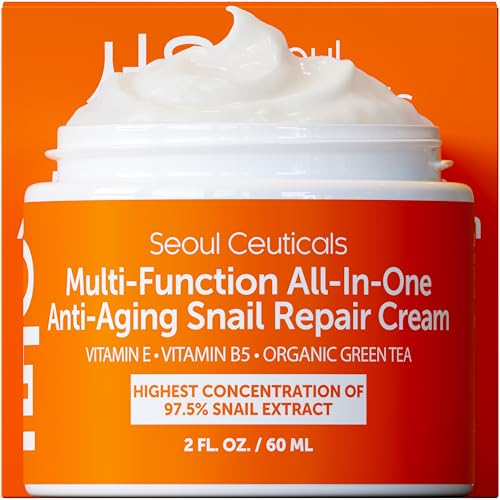
CONSIDERED TO BE FAR more effective than other snail creams as it contains a higher concentration (97.5%) of snail mucin filtrate. Other snail cream products are not as potent or effective

WHAT IT IS: An innovative jelly cleanser that removes all traces of makeup, excess oil, and any other grime from the day.
Estée Lauder
Estée Lauder’s complex relationship with animal testing underscores a persistent tension in the cosmetics industry between ethical branding and legal compliance. As a top-tier beauty giant, Estée Lauder has positioned itself as a leader in responsible cosmetics. Yet, the company’s practices tell a different story. Here’s what you need to know:
Animal testing in China: Estée Lauder continues to conduct animal testing for its products sold in China where such practices are required by law. Despite claiming a commitment to eliminating animal testing, the brand complies with these legal mandates, leading to significant controversy.
Impact on subsidiary brands**: As the parent company of well-known brands like Clinique, MAC, and NARS, Estée Lauder’s policies have pushed these subsidiaries to revert to animal testing due to their presence in China. This decision complicates their cruelty-free claims** and confuses consumers.
Ethical branding vs. legal compliance: The tension between presenting a cruelty-free image and adhering to legal requirements in certain markets like China is evident. While Estée Lauder promotes ethical values, its actions spark debate among animal rights advocates.
Understanding Estée Lauder’s approach to animal testing provides key insights into broader industry challenges, balancing ethical considerations with international market demands. An example of a cruelty-free alternative is Ecco Bella Vegan Mascara, which aligns with ethical practices while offering an effective product for sensitive eyes.

THE SECRET TO FRENCH BEAUTY. This everyday classic mascara provides DEFINED & VOLUMINOUS lashes with just one coat. Build the look for even thicker, fanned lashes.

Lash Strengthening Mascara - Your eye organic makeup kit is not complete without Poppy Austin eyelash growth mascara. If you need mascara for thickening and lengthening, we got just the thing. Enjoy a long-lasting lift and curl for 24 hours!

MASCARA FOR MAXIMUM CURL: Get maximum curl and unbeatable lift—no lash curler necessary. This ultimate curling mascara gives you your most lifted lashes ever.
Makeup Forever
Charting the complex landscape of animal testing in the cosmetics industry, Makeup Forever presents another compelling case of ethical challenges. Owned by LVMH, a conglomerate not committed to cruelty-free practices, Makeup Forever finds itself entangled in a web of animal testing controversies. Its makeup products, while popular, are subject to testing on animals, especially in markets like China where imported cosmetics must undergo such testing by law. This requirement cements the brand’s non-cruelty-free status and raises concerns among ethically-minded consumers.
Despite claims of no direct animal testing, Makeup Forever’s ties to LVMH mean it indirectly participates in these practices due to the parent company’s policies. Such associations impact its reputation, particularly as consumers increasingly seek transparency and ethical assurances in their purchases. The lack of clear communication about its animal testing policies further erodes trust, leaving consumers in the dark about the true nature of its cruelty-free commitments.
Makeup Forever’s position highlights a significant tension within the beauty industry: balancing market expansion with ethical standards. As trends shift towards cruelty-free alternatives, the brand’s ongoing involvement in animal testing poses a challenge to maintaining consumer loyalty and ethical integrity.

All-in-One Hydrating BB Cream – This multitasking beauty balm is a moisturizer, primer and light foundation in one. It hydrates, primes, illuminates and perfects your complexion, simplifying your routine. Apply and blend for an instantly refreshed face: fine lines look softened, pores blurred, and skin tone appears more even. The lightweight formula feels like a breathable tinted moisturizer, leaving skin dewy and radiant without heaviness or caked-on makeup.

LONG-LASTING LIQUID FOUNDATION: Hit that dreamy sweet spot between full beat and barely there with e.l.f. Cosmetics’ long- wearing Soft Glam Satin Foundation.

MAKEUP BRUSH FOR CREAM & POWDER: The only makeup brush you’ll ever need for creating a gorgeous-as-e.l.f., airbrushed-looking complexion. This makeup brush is a two-in-one brush designed for use with your favorite cream and powder face products.
Maybelline
Maybelline, a widely recognized brand in the beauty industry, finds itself at a crossroads between consumer expectations and its current practices. Owned by L’Oréal, Maybelline is under scrutiny due to its involvement in animal testing, a practice still mandated in China where the brand sells its products.
Despite marketing some items as cruelty-free, the necessity of animal testing in such markets compromises this claim. This contradiction hasn’t gone unnoticed by consumers and animal rights advocates, who demand transparency and ethical alignment in beauty choices.
Here’s a closer look at Maybelline’s situation:
Ownership and Policy: As part of L’Oréal, Maybelline adheres to policies that permit testing in markets like China, where animal testing laws are strict.
Consumer Backlash: The brand faces criticism for not fully embracing cruelty-free practices, pushing ethically-minded consumers towards alternative products.
Product Controversy: Popular items like mascaras are produced under conditions that may involve animal testing, which is at odds with growing demand for cruelty-free beauty solutions.
The awareness of these issues has accelerated the trend towards ethical beauty, encouraging consumers to seek brands that align with their values regarding animal welfare. An example of a beauty product aligning with these values is the CoverGirl Lash Blast Clean Volume Mascara, which is both cruelty-free and vegan.
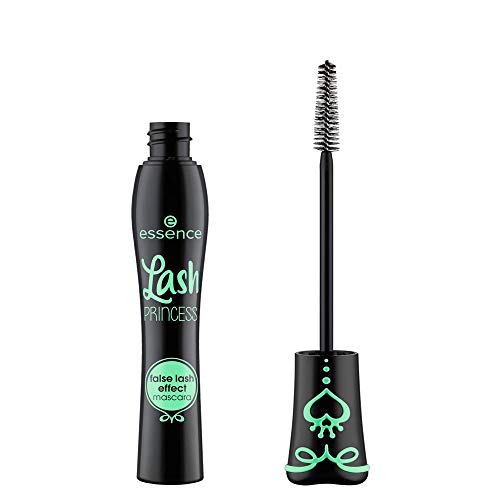
If you receive this mascara UNWRAPPED, it did not come from essence cosmetics.

LASH WITHOUT LIMITS: Get ready to take your lashes to new heights with essence Lash Without Limits Extreme Lengthening & Volume Mascara. Experience lashes that defy gravity with extra length and incredible volume!

Formula: Deep vegan mascara creates dramatic volume and length for oversized, multi-dimensional lashes that deliver a false-lash effect. The hourglass-shaped brush helps ensure precise application and professional-looking results that last all day.
Victoria’s Secret
Why did Victoria’s Secret decide to shift gears and abandon its no-animal-testing policy? The brand’s pivot was primarily driven by the allure of the lucrative Chinese market, where animal testing is required for imported cosmetics.
This strategic move by Victoria’s Secret reflects a prioritization of profit over its previous cruelty-free ethos, sparking considerable backlash from consumers and animal rights advocates. Owned by L Brands, Victoria’s Secret has faced intense scrutiny for reversing its stance on ethical practices.
The brand’s marketing strategies have only muddied the waters further. By emphasizing “not tested on animals,” Victoria’s Secret makes misleading marketing claims that create confusion among consumers. Readers of How to Be Vegan appreciate the importance of transparency and ethical commitments in consumer brands.
This lack of transparency in its animal testing policy leaves many questioning the brand’s true ethical stance. Despite its previous commitments to cruelty-free standards, compliance with Chinese regulations has forced Victoria’s Secret to sacrifice its promise.
This shift hasn’t gone unnoticed. The backlash has led many consumers to boycott the brand in favor of companies that uphold genuine cruelty-free commitments.
This trend highlights the increasing importance of ethical practices in consumer decision-making, as more people become aware of the implications of their purchasing choices.
NARS
NARS, a brand once celebrated for its cruelty-free stance, made a controversial decision in 2017 to start testing on animals, driven by the desire to capitalize on the Chinese market‘s immense potential.
This decision marked a notable shift in the brand’s ethical positioning, largely influenced by its parent company, Estée Lauder. The Chinese market mandates animal testing for imported cosmetics, a policy that has compelled many global brands to reconsider their cruelty-free commitments.
For NARS, the allure of China’s vast consumer base was too tempting to resist.
As a savvy consumer, here are three key insights into NARS’s shift:
Market Expansion: The decision to enter China underscores a broader industry trend where brands prioritize market access over ethical practices.
Consumer Backlash: Loyal consumers seeking ethical alternatives have expressed disappointment, reflecting a growing demand for cruelty-free products.
Corporate Influence: Estée Lauder’s policies considerably impact NARS, highlighting the complex dynamics between brand identity and corporate strategy.
In response to consumer backlash, many are now seeking ethical alternatives. The book “Vegan Life: Cruelty-Free Food, Fashion, Beauty and Home” serves as an excellent resource for those aspiring to live a cruelty-free lifestyle, offering guidance for a gradual transition.
As brands like NARS navigate this landscape, it’s essential for consumers to stay informed and choose products aligning with their values.
L’Oréal
L’Oréal, a titan in the global cosmetics industry, finds itself at the center of a complex ethical debate due to its ongoing animal testing practices. Despite claiming to have ended animal testing since 1989, L’Oréal‘s adherence to cruelty-free principles is undermined by its compliance with China‘s regulatory requirements.
In China, cosmetics companies must conduct animal testing for imported products, positioning L’Oréal as one of the brands that test due to its significant market presence there. The parent company’s policies allow for animal testing under specific conditions, adding to the inconsistency in their cruelty-free stance.
This approach extends to their renowned brands like Lancôme and Maybelline, both of which are sold in China and consequently subject to the same regulations. Insider knowledge reveals that this has sparked criticism over what some perceive as misleading statements about L’Oréal’s ethical practices.
Consumer awareness is growing, with an increasing demand for transparency and genuine cruelty-free options in the beauty industry. As a leader among cosmetics companies, L’Oréal’s challenge is to align its global practices with evolving ethical standards, particularly concerning animal testing.
The ongoing debate presses the company toward potential policy shifts or innovations to maintain consumer trust.
Bobbi Brown
Bobbi Brown, a brand synonymous with luxury cosmetics, finds itself embroiled in an ethical debate due to its animal testing practices. Owned by Estée Lauder, Bobbi Brown is part of a larger conglomerate that Still Tests On Animals where required by law. This is particularly evident in markets like China, where animal testing is legally mandated for certain imported cosmetics.
Despite Bobbi Brown’s claims of commitment to eliminating such practices, their products are still tested on animals, leaving ethical consumers questioning their choices.
Here’s why it matters:
Legal Obligations: The brand’s adherence to legal requirements in specific markets means it can’t fully embrace cruelty-free status.
Consumer Transparency: As ethical consumerism rises, Bobbi Brown’s testing policies clash with growing demands for cruelty-free cosmetics brands.
Industry Impact: This situation highlights the ongoing struggle for transparency and ethical practices within luxury cosmetics.
For those prioritizing cruelty-free products, Bobbi Brown’s stance presents a dilemma. While the brand continues to produce sought-after foundations and skincare, its alignment with Estée Lauder’s policies means ethical consumers must weigh their options carefully.
The call for transparency and cruelty-free alternatives remains strong, challenging Bobbi Brown to navigate these shifting industry trends.