


Gucci’s ethical claims are under examination due to its involvement in animal testing linked to regulatory compliance in China and its affiliation with Coty, which complicates its cruelty-free status. The brand is often mistakenly seen as vegan, despite using animal-derived ingredients. Claims of clean beauty are questioned due to synthetic component usage and limited labeling transparency, which affects consumer trust. Gucci’s efforts toward corporate responsibility include a commitment to full material traceability and environmental accounting by 2025. However, transparency and regulatory challenges persist, impacting its ethical standing. Uncover more about Gucci’s ethical journey and corporate strategies.
key Takeaways
- Gucci lacks cruelty-free certifications from authorities like PETA, raising questions about its ethical stance on animal testing.
- The brand’s association with Coty complicates its ethical claims, as Coty engages in animal testing practices.
- Gucci’s luxury image leads to misconceptions about being vegan, despite using animal-derived ingredients.
- Transparency issues, particularly in allergen information, challenge consumer trust and informed decision-making.
- Gucci aims for 100% raw material traceability and reduced environmental footprint by 2025 to enhance corporate responsibility.
Cruelty-Free Evaluation
The notion of ethics in luxury fashion is a nuanced and evolving discourse, particularly when examining the cruelty-free status of brands like Gucci.
Despite its prestigious reputation, Gucci falls short in aligning with ethical beauty standards due to its compliance with animal testing regulations in regions like mainland China. This raises significant concerns regarding animal welfare, as Gucci lacks certifications from cruelty-free authorities such as PETA or Leaping Bunny.
Additionally, the brand’s association with Coty, a parent company that engages in animal testing, complicates its ethical stance.
In an era where consumers are increasingly prioritizing ethical beauty, Gucci’s practices highlight a dissonance between brand image and consumer expectations, necessitating greater transparency and commitment to animal welfare initiatives. Interestingly, CeraVe Baby Lotion, known for its gentle, hypoallergenic formulation, has been accepted by the National Eczema Association, setting a standard for products catering to sensitive skin.

Meet the moisture your fam’s skin is missing. Whether you’re massaging into your lil’ bundle of joy’s skin or your own, our naturally-derived Face and Body Lotion hydrates and nourishes thirsty skin, leaving it soft and smooth

Made with shea butter, aloe vera, coconut oil, and green tea to hydrate and smooth dry skin

HYDRATING DAY & NIGHT FACE CREAM – Reveal youthful, glowing skin with this vegan face moisturizer, designed for day and night hydration. Formulated with antioxidant-rich floral stem cells, peptides, and hyaluronic acid, this cruelty-free face moisturizer deeply hydrates while improving skin texture and elasticity. The lightweight, fast-absorbing formula is perfect for dry, oily, sensitive, and combination skin, keeping your complexion soft, smooth, and nourished.
Understanding Vegan Status
While the ethical dimensions of cruelty-free standards remain a critical concern for many consumers, another significant aspect of ethical fashion includes the examination of vegan status.
Gucci, often misperceived as vegan due to its luxury image, is not wholly vegan. This misconception stems from a lack of awareness about ingredient sourcing, which can include animal-derived components.
The vegan status of a brand requires stringent adherence to avoiding all animal ingredients across its product lines. Gucci’s current offerings do not achieve this benchmark, highlighting the complexities of achieving a fully vegan label.
As consumer demand for transparency grows, understanding the nuances of vegan misconceptions and ingredient sourcing becomes essential in evaluating the ethical commitments of fashion brands like Gucci. Notably, vegan liquid foundation like Fifth & Skin: Better’n Ur Skin offers a natural, cruelty-free option that aligns with ethical beauty standards.

𝐌𝐚𝐝𝐞 𝐖𝐢𝐭𝐡 𝐂𝐨𝐦𝐟𝐨𝐫𝐭 𝐈𝐧 𝐌𝐢𝐧𝐝 - The total vegan brush is made for expertly blended coverage and a polished finish, which boasts a unique slanted shape. It’s that shape with Silky Bristles that ensures to blend your best match of foundation from light to medium buildable coverage, gives you the even applications.

LIQUID MAKEUP PRIMER: Your favorite Poreless Putty Primer is now available in liquid form! This silky liquid face primer seamlessly glides over your skin.

THE ORIGINAL DRIPPER FOUNDATION: The Catrice HD Liquid Coverage Foundation is an ultra-lightweight, high coverage, long lasting foundation for a natural looking, matte finish. Featuring a unique dropper applicator and niacinamide-infused formula, this foundation performs just like a luxury formula.
Examining Clean Beauty Claims
Amid the rising trend of clean beauty, Gucci’s claims in this area warrant a closer examination. The term "clean beauty" often implies the use of non-toxic, clean ingredients, avoiding harmful substances like parabens and sulfates. However, Gucci does not fit this classification due to its inclusion of synthetic ingredients. The lack of regulation around clean beauty leads to beauty misconceptions, allowing brands to make potentially misleading claims. This ambiguity creates confusion for consumers trying to navigate the clean beauty landscape. Tools exist to evaluate product safety and ingredient toxicity, but the onus remains on consumers to discern truth from marketing. Gucci’s offerings underscore the industry-wide challenge of defining and adhering to true clean beauty standards. For instance, products like LIP INK OFF emphasize the importance of using natural and organic ingredients, setting a benchmark for what clean beauty should aspire to be.

ALL DAY MOISTURE: Infused with nourishing Avocado Oil and Antioxidant-rich Acai Extracts, this tinted balm feels like a lip conditioner and helps keep lips moisturized all day. The creamy texture glides on dry lips and leaves lasting hydration

WHAT IS IT: Experience the luxurious feel and vibrant colors of Palladio Herbal Lipstick, a beloved staple in any makeup collection. With a range of stunning shades to choose from, each swipe delivers rich pigmentation and long-lasting wear.

PUCKER UP BABES: Enhance your natural lip color with this creamy, vegan Tinted Lip Balm that moisturizes, helps keep lips smooth, and provides hydration
Allergen Information Concerns
Addressing allergen information concerns in the beauty industry highlights an essential gap in consumer safety, particularly for those with sensitivities.
Allergen awareness is increasingly crucial as consumers demand transparency regarding ingredient safety. Gucci’s current lack of explicit allergen information in its products presents challenges for sensitive users seeking informed choices.
The growing trend of conscious consumerism necessitates brands to enhance their allergen disclosure practices.
To navigate this landscape, consider the following:
- Research: Utilize resources to identify potential allergens in beauty products.
- Demand Transparency: Advocate for clearer labeling and allergen disclosure from brands.
- Consult Experts: Seek advice from dermatologists or allergists for personalized recommendations.
- Stay Informed: Keep abreast of industry trends and regulatory changes affecting ingredient safety.
These steps empower consumers in making safer purchasing decisions.

Eyes That Pop: Create the look of your dreams with color that pops. This liquid-to-powder eyeshadow palette includes gorgeous colors with a soft matte finish. Blendable and beautiful, this palette is perfect for natural and artistic looks.

HIGH IMPACT: Perfect your line with our high impact, ultra pigment black Liquid Eyeliner. Designed with a flexible felt tip applicator for easy and precise application that you can control

Corporate Responsibility Insights
Gucci’s corporate responsibility is a critical component of its brand image, particularly in the context of its ownership by Coty, a company with a history of animal testing practices.
This association raises questions about Gucci’s corporate ethics and transparency, pivotal for maintaining consumer trust in a competitive market. In recent years, ethical consumerism has become a significant trend, pushing luxury brands like Gucci to reevaluate their practices.
Despite the absence of B Corp certification, which indicates high social and environmental performance, Gucci’s initiatives such as diversity programs suggest efforts toward enhancing their corporate responsibility.
However, aligning ethical claims with tangible actions remains essential for Gucci to sustain its reputation and meet the growing demand for accountable corporate behavior.
Sustainability Goals Overview
While the nuances of corporate responsibility continue to shape Gucci’s reputation, the brand’s sustainability goals stand as a demonstration of its forward-looking ambitions.
Gucci is actively integrating sustainability practices to mitigate environmental impact through key initiatives:
Environmental Footprint Reduction: Aiming for a 40% reduction by 2025, Gucci focuses on minimizing its overall environmental footprint.
Greenhouse Gas Emissions: Targeting a 50% decrease in emissions, the brand emphasizes cleaner production processes and energy efficiency.
Raw Material Traceability: By 2025, Gucci plans to achieve 100% traceability of its raw materials, ensuring responsible sourcing.
Renewable Energy Commitment: The brand is dedicated to utilizing renewable energy sources across its operations to further reduce its carbon footprint.
These goals reflect a strategic alignment with global sustainability trends.
Social Impact Initiatives
Incorporating a robust strategy for social impact, Gucci has positioned itself as a leader in the fashion industry through its commitment to societal change.
At the forefront of its efforts is the Gucci Changemakers program, which emphasizes community engagement by allowing employees to volunteer, thereby fostering a culture of giving back. This initiative aligns with the trend of brands taking on more active roles in societal issues.
Gucci’s diversity initiatives are pivotal, focusing on increasing inclusivity and representation within the fashion sector. By promoting diversity and gender parity, Gucci not only adapts to changing societal expectations but also sets a precedent for other luxury brands.
These efforts underscore Gucci’s drive to leverage its global influence for meaningful societal change.
Manufacturing Practices
As Gucci actively engages in societal change through its social impact initiatives, its manufacturing practices also play a significant role in how the brand is perceived in the global market.
A thorough analysis of Gucci’s supply chain reveals the following key points:
Manufacturing Locations: Mainly in Italy, with specific products like watches and fragrances sourced from Switzerland, France, and the UK, ensuring a high-quality perception.
Labor Practices: Known for maintaining European labor standards, yet scrutiny remains on any outsourcing elements within its broader supply chain.
Sustainability Efforts: The brand endeavors for reduced environmental impact through eco-friendly sourcing, aligning with global sustainability trends.
Artisan Craftsmanship: Emphasizes Italian craftsmanship, presenting a blend of traditional skills and modern luxury.
These factors collectively shape Gucci’s manufacturing narrative, influencing consumer trust and brand loyalty.
Transparency Challenges
Transparency remains an essential concern for Gucci, particularly in balancing its luxury brand image with ethical and sustainable practices. A key transparency barrier is the complexity of supply chains, which obscures complete visibility into material sourcing and manufacturing processes. This lack of clarity can hinder consumer trust and challenge Gucci’s commitment to sustainability.
Despite these barriers, transparency solutions are emerging. Implementing advanced tracking technologies and enhancing public disclosure can bridge information gaps. Furthermore, stakeholder engagement and third-party audits can foster accountability.
As the trend towards conscious consumerism accelerates, Gucci’s ability to address these transparency challenges through innovative solutions will be vital in maintaining its reputation and aligning with evolving consumer expectations of ethical luxury brands.
Ethical Sourcing Efforts
Ethical sourcing has emerged as a critical focus for luxury brands like Gucci, driven by the increasing demand for transparency and sustainability from discerning consumers.
Gucci’s commitment to ethical supply and sourcing practices is mirrored in its pledge to achieve 100% traceability of raw materials by 2025. This initiative aligns with broader industry trends emphasizing responsible sourcing processes.
The brand’s focus on environmental sustainability is evident through its use of Environmental Profit and Loss (EP&L) accounting, which evaluates the ecological impact of its supply chain.
Key elements of Gucci’s ethical sourcing strategy include:
- Commitment to raw material traceability and transparency.
- Reduction of environmental footprint by 2025.
- Utilization of renewable energy resources.
- Incorporation of eco-friendly sourcing practices****.
Animal Testing Policies
When examining Gucci’s animal testing policies, it becomes evident that the brand aligns with the practices of its parent company, Coty, which conducts animal testing where mandated by law, such as in mainland China.
This regulatory compliance highlights the challenges international brands face in maintaining ethical standards while maneuvering through diverse legal landscapes. Despite advancements in animal testing alternatives, the reliance on such traditional methods persists due to regulatory requirements in certain markets.
As consumer demand for cruelty-free products increases, Gucci’s adherence to these mandates may impact its ethical perception.
Industry trends suggest a shift towards innovative, non-animal testing methods, urging brands like Gucci to explore these alternatives actively. An alignment with cruelty-free practices could enhance brand integrity and consumer trust.

Retinol Alternative Power: Our Plant Stem Cell Retinol Alternative Serum features a milky formula with a 5% active blend of Bakuchiol and Alfalfa Extract, offering an alternative to retinol serum for face designed to visibly smooth the appearance of fine lines and wrinkles, firm skin, and provide antioxidant protection
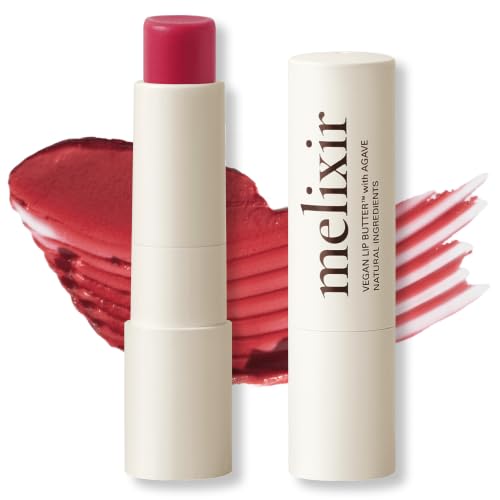
[Moisturizing Daily Lip Care] This silky, non-sticky Vegan Lip Butter glides on smoothly for instant hydration and shine. Compact and travel-friendly, it keeps your lips soft, moisturized, and naturally glowing wherever you go.

🌿 𝙈𝙄𝙓 𝙒𝙄𝙏𝙃 𝙈𝙊𝙄𝙎𝙏𝙐𝙍𝙄𝙕𝙀𝙍 𝙁𝙊𝙍 𝘽𝙀𝙎𝙏 𝙍𝙀𝙎𝙐𝙇𝙏𝙎: Due to the high concentration of 30,000 ppm Bakuchiol, it's essential to blend a few drops of the serum with your favorite cream or lotion before application. This ensures optimal absorption and minimizes the risk of irritation for a smooth, radiant complexion.
Brand Certification Status
Certification plays an essential role in defining a brand’s commitment to ethical and sustainable practices. Gucci’s current brand certifications reveal key insights into its alignment with ethical standards.
While Gucci has made strides in sustainability, it lacks extensive certifications that would solidify its ethical stance. Here are pivotal aspects of Gucci’s certification status:
Cruelty-Free and Vegan Certifications: Gucci does not hold certifications from organizations like PETA or The Vegan Society, indicating gaps in cruelty-free and vegan commitments.
B Corp Certification: The absence of this certification questions Gucci’s integration of social and environmental performance in its business model.
Environmental Standards: While not certified, Gucci aims for ambitious environmental goals by 2025.
Transparency: The brand’s limited transparency in certifications impacts consumer trust and ethical evaluation.