


You can consider Vaseline vegetarian since it contains no animal-derived ingredients, but it’s not classified as vegan due to its petroleum origin. This petroleum base raises environmental concerns, like carbon emissions, impacting its ethical standing. Furthermore, while Vaseline itself doesn’t involve direct animal testing, its parent company, Unilever, may rely on suppliers who do, complicating cruelty-free classification. Additionally, the absence of clear vegan labeling could leave you questioning if it aligns with your values. Despite these factors, there are alternative plant-based products if you’re seeking eco-friendly options. Explore further to see how this affects your view on its suitability.
key Takeaways
- Vaseline contains no animal-derived ingredients, making it suitable for vegetarians.
- The product is not considered vegan due to its petroleum origin, raising environmental concerns.
- Unilever’s potential reliance on suppliers conducting animal testing complicates Vaseline’s cruelty-free status.
- Ethical considerations include the environmental impact of petroleum extraction and processing.
- Consumers increasingly seek sustainable and ethical alternatives to traditional petroleum-based products.
Understanding Vaseline’s Composition
When you explore Vaseline’s composition, the primary ingredient you’ll encounter is petroleum jelly. This substance is a refined mixture of mineral oils and waxes, originating from crude oil, itself derived from ancient marine organisms.
The manufacturing process involves a triple purification system designed to eliminate impurities, ensuring the final product is non-irritating and hypo-allergenic for external use. This rigorous refining raises essential ethical considerations, such as the product’s environmental impacts due to its petroleum base.
In terms of animal products, Vaseline doesn’t include any known animal-derived ingredients, making it generally regarded as vegan-friendly. However, the lack of explicit labeling about its vegetarian or vegan status on the packaging can create uncertainty.
While speculation exists about non-vegan waxes like lanolin, there’s no concrete evidence of their presence in the finished product. This ambiguity might concern those who prioritize ethical considerations in their choices.
Moreover, the use of mineral oils and waxes from petroleum raises questions about sustainability and environmental impacts. While Vaseline is effective and widely used, it’s important to weigh these factors when considering its role in your personal care routine.

MULTI PURPOSE HEALING OINTMENT: Head to toe Healing Ointment designed to soothe, moisturize, and restore irritated skin. This allantoin powered formula temporarily protects minor burns, cuts, and scrapes and heals dry, cracked skin and lips

4 ounces of petroleum-free jelly

SHIPMENT CONTAINS: One 3.75-ounce jar of unscented petroleum jelly skin protectant
Vegan and Ethical Considerations
Many consumers seeking vegan-friendly products may initially view Vaseline favorably due to its primary composition of petroleum jelly, which doesn’t involve direct animal exploitation.
However, the vegan and ethical considerations surrounding Vaseline are more complex. Though no animal products are used in its production, some vegans might avoid Vaseline due to the environmental impact of petroleum-based products. This raises ethical implications for conscientious consumers who are concerned about sustainability.
Unilever, Vaseline’s parent company, doesn’t perform animal testing directly but may depend on suppliers who do, complicating its cruelty-free status. PETA’s decision not to classify Vaseline as cruelty-free further complicates its ethical standing. For consumers, this can be a significant consideration when choosing products.
Additionally, the absence of clear labeling about Vaseline’s vegan suitability can lead to confusion for those aiming to avoid animal-derived ingredients entirely.
Here are some factors to ponder:
- Environmental impact of petroleum production.
- Ethical implications of supplier practices.
- PETA’s stance on Vaseline’s cruelty-free status.
- Vegan labeling clarity on products.
- Personal values influencing your choice.
Ultimately, whether Vaseline fits into your vegan and ethical standards will depend on how you prioritize these factors. A resource like “Vegan Love” can provide practical advice and tips for individuals navigating the complexities of maintaining a cruelty-free lifestyle.

MULTI-PURPOSE - The best head to toe balm for Sensitive Skin! With gentle and nourishing ingredients, Veggielene is amazing for removing makeup, dry hands, cracked feet, dehydrated hair, baby bottoms, chapped lips, sniffly noses, and everything else "Pure" Petroleum Jelly is used for. Use this simple, botanical balm for healthier, happier looking skin without any harsh chemicals and hidden toxins. A must have for your home cabinet, for all uses.

NON-GREASY, NON-STICKY TEXTURE - Unlike many conventional products that clog pores when used, Beesalene glides onto skin and provides it with much needed moisture while maintaining a light texture. Skin protective beeswax creates a moisture barrier that your skin can breathe through, leaving skin happy and glowing.

Live Clean Baby 120 g jar of non-petroleum jelly works inside the baby diaper to provide a protective moisture barrier for maximum comfort for your new baby
Animal Testing Concerns
While the vegan and ethical considerations around Vaseline highlight its complex standing, the topic of animal testing adds another layer of concern for conscientious consumers.
Vaseline doesn’t conduct direct animal testing, but its association with Unilever complicates matters. Unilever and certain suppliers might engage in animal testing due to regulatory requirements, raising ethical implications for those seeking cruelty-free options. PETA‘s decision not to list Vaseline as cruelty-free further fuels concerns over its testing practices.
Consumer awareness is shifting as more people demand transparency and ethical considerations in their purchasing decisions. This growing awareness has led many to seek brands that prioritize cruelty-free and vegan-friendly policies. For example, Beauty Without Cruelty offers a paraben-free mascara that is cruelty-free and suitable for vegans, highlighting the type of ethical products consumers are now seeking.
Although Unilever has committed to developing alternative testing methods, the timeline and effectiveness of these measures remain under scrutiny. As a consumer, you might find it challenging to navigate these complex waters and assess whether Vaseline aligns with your ethical standards.
Ultimately, the ambiguity surrounding Vaseline’s animal testing policies underscores the importance of informed choices. By understanding the nuances of its association with Unilever and current testing practices, you can make decisions that align with your values and contribute to broader awareness.

ULTRA-HYDRATING FACE TONER MIST: Pacifica Happy Water Skin Toner instantly hydrates, refreshes, and balances your skin with lightweight moisture. Infused with vegan ceramides, electrolytes, and hyaluronic acid, it helps replenish moisture and maintain a healthy skin barrier, leaving skin soft, calm, and refreshed.

DAILY FACIAL MOISTURIZER: This moisturizing face cream delivers a powerful boost of hydration to nourish and plump skin for a firmed-up, bouncy complexion with a luminous finish that lasts all-day and feels soft.

NOURISHING CLEANSING BALM: Watch your makeup melt away! It’s solid cleansing balm that melts into a luxurious oil and turns into a nourishing milk texture that rinses off clean.
Environmental and Sustainability Issues
Vaseline’s environmental footprint is a significant concern due to its petroleum-based origins. The extraction and processing of oil for petroleum jelly contribute to carbon emissions, which negatively impact climate change and degrade the environment.
As consumers increasingly demand eco-friendly products, Vaseline’s reliance on non-renewable resources like petroleum raises questions about its sustainability.
When you consider the environmental impact of using petroleum jelly, you might be curious about more sustainable options. Fortunately, alternative products are available that align with eco-conscious values.
Let’s explore:
- Shea butter and coconut oil: These plant oils are derived from renewable resources and have a lower environmental impact.
- Sustainable agricultural practices: Many plant-based alternatives support eco-friendly farming methods.
- Biotechnology innovations: Advances in this field are creating more sustainable skincare solutions.
- Consumer preference: A shift towards vegan alternatives is driven by growing demand for ethical products.
- Environmental scrutiny: Fossil fuel-based items like petroleum jelly are being examined more closely due to sustainability concerns.
Additionally, INIKA Organic Vegan Makeup emphasizes sustainable practices and eco-friendly packaging, providing an example of a beauty product aligning with environmental responsibility.

[BAKUCHIOL RETINOL ALTERNATIVE — NO IRRITATION] Powered by Bakuchiol, a plant-based retinol alternative clinically proven to firm, smooth, and reduce fine lines — without the redness or peeling of traditional retinol. Safe for sensitive skin and gentle enough for daily AM & PM use.
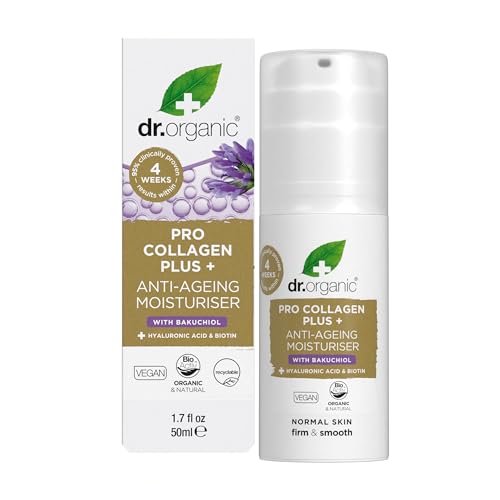
NOURISHING CARE: Rejuvenates and hydrates mature skin with Bakuchiol, a plant-based retinol alternative, to reduce fine lines and improve skin tone.
Exploring Vegan Alternatives
Vegan alternatives to Vaseline are gaining popularity as consumers seek products that align with both ethical values and environmental responsibility. Although Vaseline is generally considered vegan-friendly because it doesn’t contain direct animal products, its petroleum base raises concerns over environmental impact. This has led many to explore cruelty-free options that don’t compromise sustainability.
Natural oils such as unrefined coconut oil, shea butter, and jojoba oil are excellent substitutes for traditional petroleum jelly. These oils provide effective moisture, are free from synthetic ingredients, and offer additional benefits like vitamins and antioxidants. For instance, coconut oil is known for its antibacterial properties, while shea butter is rich in fatty acids.
Products like Vegaline and Natruline have emerged as popular vegan alternatives. Vegaline is organic and cruelty-free, while Natruline by Beauty Kitchen boasts a 100% natural, petrol-free formula. Additionally, Bella & Bear Goddess Body Butter is a vegan moisturizer that offers deep hydration and texture improvement, making it a suitable alternative for those seeking cruelty-free skincare.
The market also features brands like Eco Lips, which is fair trade and non-GMO, and Hurraw!, which is organic. These options reflect a broader trend toward skincare products that emphasize natural ingredients and sustainability.

Castor oil plant-based jelly with beeswax. Unscented.
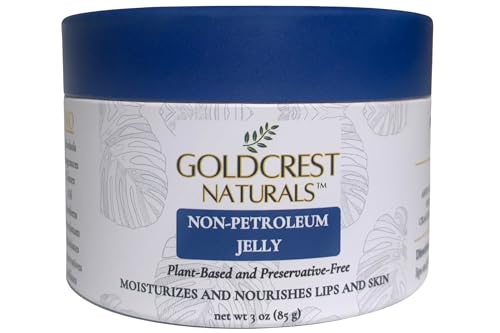
Plant-Based Alternative to Petroleum Jelly – Enjoy the smooth, jelly-like texture you enjoy in a vegan, petroleum-free formula. Creates a moisture-locking barrier to help keep skin feeling soft, hydrated, and comfortable.

CLEAN VEGAN ALTERNATIVE: Shield sensitive skin from dryness using a thick barrier. This petroleum-free jelly provides medical-grade protection without crude oil derivatives