


If you care about ethical skincare, steer clear of brands like Olay, Avon, Garnier, Neutrogena, M.A.C, L’Oréal, and Wet N Wild.
These companies often engage in controversial animal testing practices, sometimes exploiting legal loopholes to meet market regulations, particularly in places like China. Despite claims of being cruelty-free, these brands fall short, often lacking Leaping Bunny certification, which erodes consumer trust.
Many of them are linked to larger corporations notorious for such practices, further complicating their cruelty-free image.
Stay informed about how these brands manage their ethical considerations to make conscientious skincare choices. Explore more insights and understand the impact.
key Takeaways
- Olay engages in animal testing to comply with international regulatory requirements, raising ethical concerns among consumers.
- Avon makes misleading cruelty-free claims while participating in animal testing, impacting consumer trust.
- Neutrogena’s animal testing practices contradict their cruelty-free claims, undermining ethical consumer confidence.
- Garnier’s affiliation with L’Oréal, known for animal testing, affects its cruelty-free reputation.
- M.A.C’s involvement in animal testing, despite ethical claims, diminishes its credibility with ethical beauty advocates.
Olay’s Testing History
Olay’s testing history is a crucial consideration for those committed to cruelty-free skincare. Despite its popularity, Olay, owned by Procter & Gamble, conducts around 400,000 safety tests annually, and the involvement of animals in these tests remains unclear. This ambiguity raises red flags for anyone passionate about animal welfare.
Olay’s absence from the Leaping Bunny list speaks volumes, as this certification is a trusted marker for cruelty-free products. Without it, there’s no assurance that Olay’s testing practices align with ethical standards.
Moreover, PETA has identified Olay as an animal tester, further highlighting concerns about its commitment to cruelty-free practices. While Olay claims to prioritize consumer safety, it falls short of guaranteeing that all ingredients sourced from external suppliers are free from animal testing.
This lack of transparency in their animal testing policies can be unsettling for those who value ethical skincare choices. As a trend-savvy consumer, you should be aware of these facts when deciding on your skincare purchases.
Choosing brands that prioritize animal welfare and transparency in their testing practices is essential for supporting cruelty-free initiatives. Consider whether Olay aligns with your values and ethical standards.

LIGHTWEIGHT, NON-GREASY HYDRATION: Daily face lotion that hydrates and smooths without heaviness or a greasy feel.

LIGHTWEIGHT, HYDRATING MOISTURIZER: Want all the moisture without the heaviness of a rich face cream? e.l.f. SKIN Holy Hydration Gel-Yeah Moisturizer is a thirst-quenching, hydrating gel moisturizer with a lightweight, bouncy texture

LIGHTWEIGHT DAILY HYDRATION: Nourishing face moisturizer delivers long-lasting hydration with a lightweight, non-greasy feel, helping keep skin soft, smooth, and balanced throughout the day. Packaging may vary upon receiving.
Avon’s Ethical Claims
Steering through Avon’s ethical claims can be perplexing for consumers committed to cruelty-free skincare. Avon asserts it does not conduct animal testing on its finished products, promoting itself as a cruelty-free brand.
However, it sources ingredients from external facilities that may conduct animal testing. This creates uncertainty about the brand’s overall cruelty-free status. The absence of a Leaping Bunny certification further complicates matters, as this certification is a gold standard for cruelty-free practices.
Additionally, PETA lists Avon as an animal tester, raising questions about its commitment to truly cruelty-free products.
Here’s a quick breakdown of Avon’s ethical claims:
| Aspect | Claim | Reality |
|---|---|---|
| Own product testing | No animal testing | Sources ingredients from facilities with animal testing |
| Certification | Claims cruelty-free | Not Leaping Bunny certified |
| PETA’s stance | Dubious | Listed as an animal tester |
| Ingredient sourcing | Ethical ambiguity | External facilities may test |
| Consumer trust | Questionable | Exploits regulatory loopholes |
For those who prioritize ethical sourcing, Avon’s approach appears more a marketing maneuver than a genuine commitment to cruelty-free practices. This undermines consumer trust, leaving you to decide if Avon’s claims align with your values.

SKINCARE ON THE GO: The e.l.f. Jet Set Hydration Kit contains all of your skincare favourites in a TSA-ready travel-sized kit. The kit includes a Cleanser (30ml), Hydrating Balm (6g), Moisturizer (25ml), Eye Cream (7g) and Night Cream (15g).

VEGAN COLLAGEN HYDRATE & PLUMP FACE MASK is a hydrating & plumping fermented-peptide serum-soaked sheet mask that hugs the face with fine natural microfibers, and a potent formulation of vegan collagen peptides, cucumber and aloe.

Pore Refining Complex – The calming clarifying essence toner is formulated with a 4 plant complex of Evening primrose, Pueraria lobata root, Pinus Palustris Leaf, and Ulmus Davidiana Root that specialize in sebum and pore care. For oily face control, the toner for face also contains wintergreen leaf extract and has BHA properties to unclog pores and remove dead skin and blackheads.
Garnier’s Parent Company
While Avon’s ethical claims create a swirl of uncertainty, Garnier faces scrutiny due to its affiliation with L’Oréal, a giant in the cosmetics world known for its controversial animal testing practices.
You might be surprised to learn that despite L’Oréal’s claims of developing cruelty-free alternatives, they still engage in animal testing where law mandates it, particularly in countries like China. This practice hasn’t only tarnished L’Oréal’s image but also trickled down to affect Garnier’s reputation among ethical beauty advocates.
For those passionate about cruelty-free products, L’Oréal’s history of testing new ingredients on animals makes Garnier a brand to avoid. It’s challenging to trust their cruelty-free claims when their parent company continues such practices.
Consumers today are more informed and demand transparency from cosmetic companies, and L’Oréal’s approach doesn’t fit this growing trend.
As you navigate the world of ethical beauty, it’s vital to reflect on the broader corporate affiliations of brands like Garnier. Aligning your values with your purchases isn’t just about choosing cruelty-free products; it’s about supporting companies that genuinely commit to ethical practices.
Keep this in mind when deciding which brands to support.

GENTLE DAILY CLEANSING: Hydrating face wash that removes impurities without stripping skin.

REMOVE MAKEUP & IMPURITIES FOR CLEAR SKIN – Dissolve makeup, oil, sunscreen, and impurities without stripping moisture. This deep pore cleansing face wash uses a gentle sulfate-free foam to purge dirt and unclog blackheads, helping prevent blemishes. Enjoy a truly clean feel and clear, balanced complexion after each wash – no tightness or dryness, just fresh, healthy skin!

NON-DRYING FACE CLEANSER: This creamy cleanser is formulated with nourishing ingredients like shea butter and jojoba oil to hydrate and soothe the skin without stripping away natural oils.
Neutrogena’s Labeling Issues
Many consumers are often surprised to learn about Neutrogena’s questionable labeling practices, which have sparked a wave of concern among ethical beauty advocates.
You might think you’re choosing cruelty-free options when you see “not tested on animals” on Neutrogena products, but don’t be misled. The reality is, not all of Neutrogena’s offerings are genuinely cruelty-free. This ambiguity in labeling creates a gray area, leaving consumers unsure about the true nature of their purchases.
Neutrogena, a well-known brand within the skincare industry, has been blacklisted by PETA due to its involvement in animal testing. This fact alone should make you question the integrity of their cruelty-free claims.
Adding to the confusion, Neutrogena isn’t certified by the Leaping Bunny program—a trusted authority in verifying cruelty-free practices. This lack of certification means there’s no independent assurance that their entire product line steers clear of animal testing.
Furthermore, Neutrogena’s parent company, Johnson & Johnson, has a track record of employing animal testing across various product lines. This connection casts further doubt on the brand’s commitment to ethical practices.
As a conscious consumer, it’s crucial to scrutinize Neutrogena’s labeling issues and seek transparency in the products you choose.

BARRIER BOOSTING: BYOMA's carefully researched Tri-Ceramide Complex mimics & replenishes essential lipids found in skin - meaning our jelly cleanser rebuilds the skin barrier & restores moisture levels, ensuring skin functions at its best every day

Hydrating Facial Cleanser: This facial cleanser leaves skin feeling clean, soft and cushioned and supports a smoother, more hydrated facial skin texture. This face wash for dry skin hydrates while cleansing to avoid disrupting the skin barrier

Deep Cleansing: This facial skin care product delves deep into your pores, exfoliating to clear pore congestion. Say goodbye to dullness and welcome a revitalized-looking, glowing complexion that reflects the true beauty of your skin.
M.A.C’s Market Decisions
It’s a hard pill to swallow, but M.A.C. Cosmetics, once a beloved brand, has made market decisions that compromise its cruelty-free claims. In 2012, they resumed animal testing to access the lucrative Chinese market, bowing to local regulations that mandate such practices.
As part of the Estée Lauder Companies, M.A.C.’s alignment with certain brands that prioritize market access over ethical standards has sparked significant consumer concerns. Meanwhile, CoverGirl Lash Blast Clean Volume Mascara offers a cruelty-free and vegan-friendly option, adhering to ethical production standards.
You might be surprised to learn that M.A.C. is on PETA’s no-fly list, indicating it doesn’t meet cruelty-free standards. Despite their marketing language suggesting otherwise, the reality of their animal testing policies is clear.
This decision has eroded trust among consumers who value ethical beauty products. Many are now questioning if market access justifies sacrificing cruelty-free commitments.
For trend-savvy consumers like you, it’s essential to be aware of these practices. The beauty industry is evolving, with a growing demand for transparency and ethical production.

MASCARA FOR MAXIMUM CURL: Get maximum curl and unbeatable lift—no lash curler necessary. This ultimate curling mascara gives you your most lifted lashes ever.

LASH WITHOUT LIMITS: Get ready to take your lashes to new heights with essence Lash Without Limits Extreme Lengthening & Volume Mascara. Experience lashes that defy gravity with extra length and incredible volume!
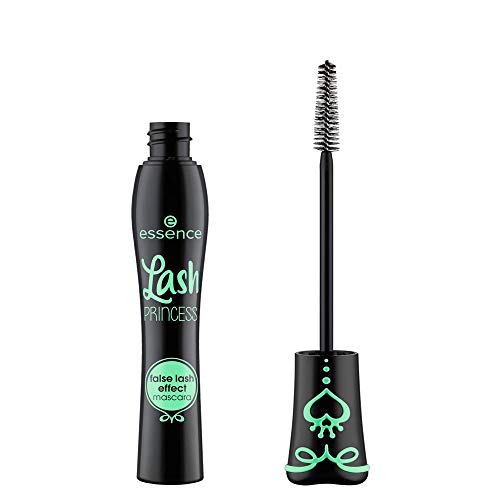
If you receive this mascara UNWRAPPED, it did not come from essence cosmetics.
L’Oreal’s Legal Loopholes
Maneuvering the complex landscape of ethical beauty products can be challenging, especially when companies like L’Oreal exploit legal loopholes that compromise their cruelty-free claims.
Despite promoting themselves as ethical, L’Oreal’s involvement in animal testing practices reveals a stark contrast. They comply with legal requirements in certain markets, such as China, where regulations mandate animal testing for imported cosmetics.
This compliance, while legally necessary, undermines their cruelty-free promise and raises questions about transparency and consumer trust.
You might wonder how such a renowned brand navigates these issues while maintaining a positive image. Here’s a breakdown of L’Oreal’s situation:
- Animal testing: Engages in testing to meet specific market regulations.
- Cruelty-free claims: Questionable due to legal testing requirements.
- Legal requirements: Uses loopholes to justify animal testing practices.
- Consumer trust: Faces backlash for lack of transparency.
- Cosmetics industry: Highlights broader industry compliance challenges.
In a cosmetics industry aiming for ethical practices, L’Oreal’s legal loopholes paint a complex picture.
As a consumer, it’s essential to scrutinize the claims of “cruelty-free” brands, ensuring your beauty choices align with your values.
Wet N Wild’s Misrepresentations
Despite their bold claims of being cruelty-free, Wet N Wild’s decision to sell in China, where animal testing for cosmetics is often mandatory, reveals a troubling crossing over into practices that contradict their stated principles.
This move has unraveled the trust they once held with consumers who prioritize transparency and animal rights.
Consumers have rallied against Wet N Wild for its misleading claims, which have only fueled confusion and skepticism.
The brand’s lack of transparency about its involvement in animal testing raises red flags for those who once believed in its ethical stance.
Animal rights advocates, alongside savvy shoppers, have criticized Wet N Wild for failing to clearly communicate any genuine adherence to cruelty-free standards.
In a world where consumer choices increasingly reflect values, Wet N Wild’s actions highlight the growing importance of transparency in the beauty industry.
As consumers continue to demand accountability, brands like Wet N Wild must recognize that misleading claims and a lack of transparency can lead to a loss of consumer trust.
The importance of conscious choices in consumerism is emphasized in resources about vegan living, encouraging individuals to align their purchases with ethical values.
Choose wisely and support brands whose practices align with your values.